


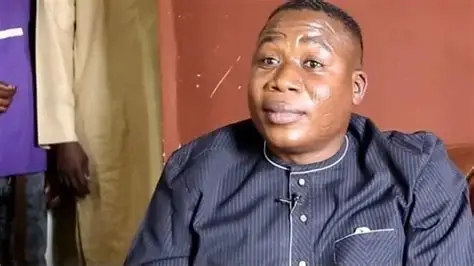
Fresh concerns over Nigeria’s worsening insecurity have sparked a war of words between Yoruba Nation agitator Sunday Adeyemo, popularly known as Sunday Igboho, and prominent northern groups, with warnings that the country could slide into anarchy if ethnic tensions are allowed to escalate.
The Arewa Consultative Forum, Northern Elders Forum and several Fulani associations have accused Igboho of ethnic profiling following his reported ultimatum to Fulani leaders in Oyo State over the abduction of a pregnant woman and members of her family.
The groups warned that blaming an entire ethnic community for the crimes of a few individuals could trigger reprisals and threaten national unity.
The controversy followed a viral video in which Igboho reportedly gave Fulani leaders in Igboho community, located in Oke-Ogun area of Oyo State, two hours to secure the release of abducted victims.
In the video, the Yoruba Nation activist accused some Fulani herders of involvement in kidnapping activities and alleged that the victims were being held in a forest around the community.
However, Oyo State Police Command and Oorelope Local Government authorities dismissed reports claiming the abducted woman, Mrs Kuburat Omowumi, her son and other relatives had regained their freedom, insisting that rescue efforts were still ongoing.
Reacting to the development, the National Publicity Secretary of the Arewa Consultative Forum, Prof. Tukur Muhammad-Baba, described the ultimatum as unconstitutional and dangerous.
According to him, neither Igboho nor any group has the constitutional authority to assume the role of law enforcement agencies.
He stressed that criminal activities should never be attributed to an entire ethnic group, noting that kidnapping has become a nationwide problem involving individuals from diverse backgrounds.
Muhammad-Baba warned that allowing such actions to continue unchecked could provoke copycat responses in other regions and plunge the country into chaos.
He added that the rise of ethnic champions and self-help security structures reflected the government’s inability to adequately protect lives and property.
The Northern Elders Forum also condemned the abduction but insisted that no tribe should be collectively blamed for criminal acts.
Its spokesperson, Prof. Abubakar Jiddere, cautioned against heating up the political atmosphere through ethnic sentiments.
He argued that Fulani communities themselves have suffered immensely from banditry, cattle rustling and kidnappings, especially in states such as Zamfara, Sokoto, Katsina and Kebbi.
Jiddere emphasized that every Nigerian, irrespective of tribe or religion, enjoys equal rights under the Constitution and should not be judged based on ethnicity.
The Coalition of Northern Groups also criticised the alleged threats against Fulani residents.
Its National Coordinator, Jamilu Charanchi, maintained that while kidnapping must be condemned, fighting crime should not involve threats or collective punishment.
He called for intelligence-based policing and adherence to constitutional rights, warning that criminality exists across all regions and should not be linked to ethnic identity.
The group also expressed concern over videos allegedly showing operatives of the Ondo State Security Network Agency, Amotekun, profiling and threatening Hausa and Fulani women engaged in lawful businesses in Ondo State.
It urged the Ondo State Government to investigate the incident and sanction any officials found guilty of misconduct
Leaders of Kautal Fulaku Fulbe and the Kulen Allah Cattle Rearers Association of Nigeria described the alleged ultimatum as divisive and capable of creating tension.
They stressed that the Nigerian Constitution guarantees every citizen the right to live and conduct legitimate activities in any part of the country without intimidation.
According to them, farmers and herders have coexisted for decades and any attempt to destroy that relationship would undermine peace and national development.
Pan-Yoruba socio-political organisation Afenifere expressed concern over the deteriorating security situation in Oke-Ogun and renewed calls for the establishment of state police.
Its National Publicity Secretary, Jare Ajayi, described the spate of abductions and killings in the area as unacceptable and urged security agencies to intensify efforts to rescue victims and bring criminals to justice.
He said creating state police structures down to community level had become necessary to address insecurity across the country.
Responding through his spokesperson, Olayomi Koiki, Sunday Igboho insisted that his campaign had never been directed against any ethnic group.
He maintained that his concern had always been the activities of criminals responsible for kidnapping, killings and violent attacks in Yoruba communities.
According to him, portraying his position as ethnic profiling was misleading.
He stressed that criminals should be arrested and prosecuted regardless of their ethnic or religious backgrounds, adding that crime knows no tribe.
Igboho also commended Inspector-General of Police Tunji Disu, the Director-General of the Department of State Services and other security agencies for their efforts in combating criminality in the South-West and other parts of the country.
He urged Nigerians to support stronger security measures aimed at dismantling criminal networks and ensuring justice for victims.


