


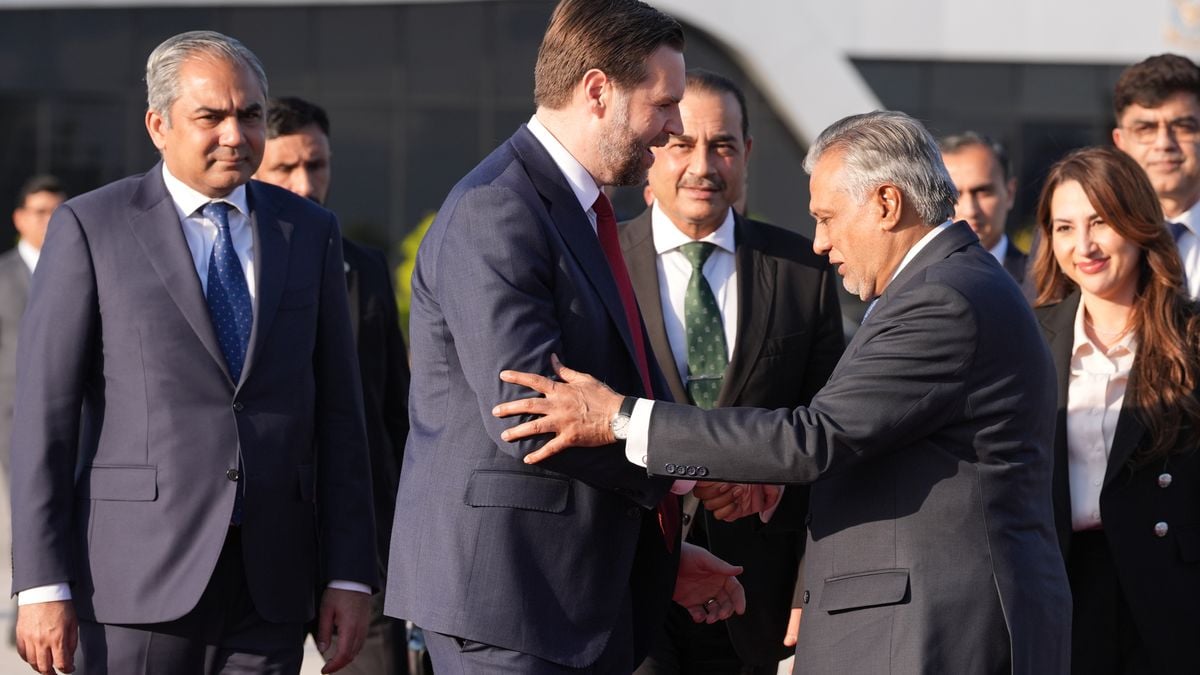
High-stakes negotiations between the United States and Iran ended without a breakthrough after 21 hours of discussions in Islamabad, Pakistan’s capital.
JD Vance, who led the American delegation, said Tehran declined to accept Washington’s terms, describing the outcome as more consequential for Iran than for the United States.
According to Vance, the US is seeking a firm and explicit commitment from Iran not only to refrain from developing nuclear weapons but also to avoid acquiring the capabilities needed to rapidly produce them.
We need to see an affirmative commitment that they will not seek a nuclear weapon, and they will not seek the tools that would enable them to quickly achieve a nuclear weapon,” he said.
Despite the deadlock, the talks may not be over. Reports indicate that discussions could continue remotely, suggesting that both sides remain open to further engagement.
Key sticking points include disagreements over Iran’s nuclear programme and control of the strategically vital Strait of Hormuz, a major global oil transit route.
On its part, Iran signalled that it never expected a quick resolution. Esmaeil Baghaei said it was unrealistic to anticipate a deal in a single session, adding that Tehran remains confident diplomatic contacts will continue with Pakistan and other regional partners.
Pakistan, which hosted the talks, urged both sides to maintain a ceasefire and pursue lasting peace. Ishaq Dar commended both countries for recognising Pakistan’s mediation efforts and expressed hope for continued dialogue.
The failed talks come against the backdrop of escalating tensions in the Middle East following the US-Israel strikes against Iran, which began on February 28. The conflict has reportedly claimed over 2,000 lives and caused extensive damage to both military and civilian infrastructure.
Although previous negotiations had suggested a deal was within reach, deep divisions remain—raising uncertainty over the prospects for a near-term resolution.