


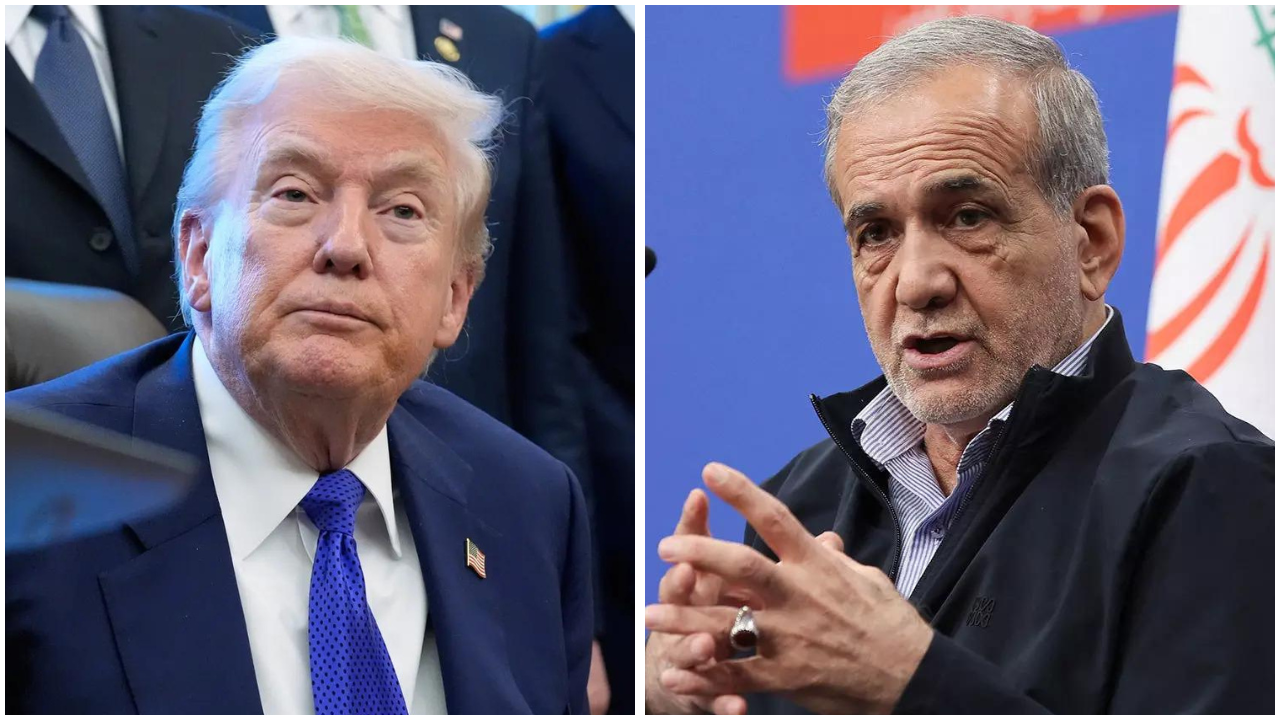
The United States and Iran have reached a major agreement to end hostilities between the two countries, marking a significant diplomatic breakthrough that also brings an end to the wider conflict involving Israel, Iran, and Lebanon.
The deal, announced by US President Donald Trump, was reportedly brokered by Pakistan and several Middle Eastern countries and includes the full reopening of the strategically important Strait of Hormuz.
The agreement restores access to the Strait of Hormuz, a critical global oil shipping route through which nearly 20 percent of the world’s crude oil supply passes.
The waterway had been shut amid escalating military tensions, contributing to a sharp rise in global oil prices and supply disruptions affecting countries across Europe, Asia, and Africa, including Nigeria.
President Trump confirmed the development via his Truth Social platform, describing the deal as a major step toward global energy stability.
The deal with the Islamic Republic of Iran is now complete. Ships of the world, start your engines. Let the oil flow!” he wrote.
Iran’s Deputy Foreign Minister, Kazem Gharibabadi, also confirmed the ceasefire deal, noting that broader negotiations on sanctions relief would continue over the next 60 days.
Pakistan’s Prime Minister, Shehbaz Sharif, said the formal signing of the agreement is expected to take place in Switzerland, although timelines remain slightly uncertain.
The conflict reportedly began on February 28, when the United States and Israel carried out strikes on Iranian targets, prompting retaliatory attacks from Iran on Israeli and US-linked assets in the Gulf region.
Iran had previously restricted passage through the Strait of Hormuz, while the US responded with a naval blockade, worsening global energy insecurity and pushing oil prices above $100 per barrel.
The war triggered widespread economic disruptions, forcing countries including India, the Philippines, European Union members, and several African nations to adjust energy policies due to rising fuel and aviation costs.
With the new peace agreement, analysts expect crude oil prices to stabilize closer to pre-conflict levels, estimated around $70 per barrel.
The reopening of the Strait of Hormuz is expected to ease pressure on global supply chains, restore maritime trade routes, and reduce inflationary pressure linked to energy costs.
However, experts caution that full stabilization will depend on sustained diplomatic engagement and implementation of the agreement’s security provisions.
The US–Iran peace deal marks a major turning point in global geopolitics, with potential long-term effects on energy markets, international trade, and Middle East stability.
As implementation begins, global attention remains focused on whether both sides will maintain the ceasefire and follow through on commitments that could reshape global oil dynamics.