


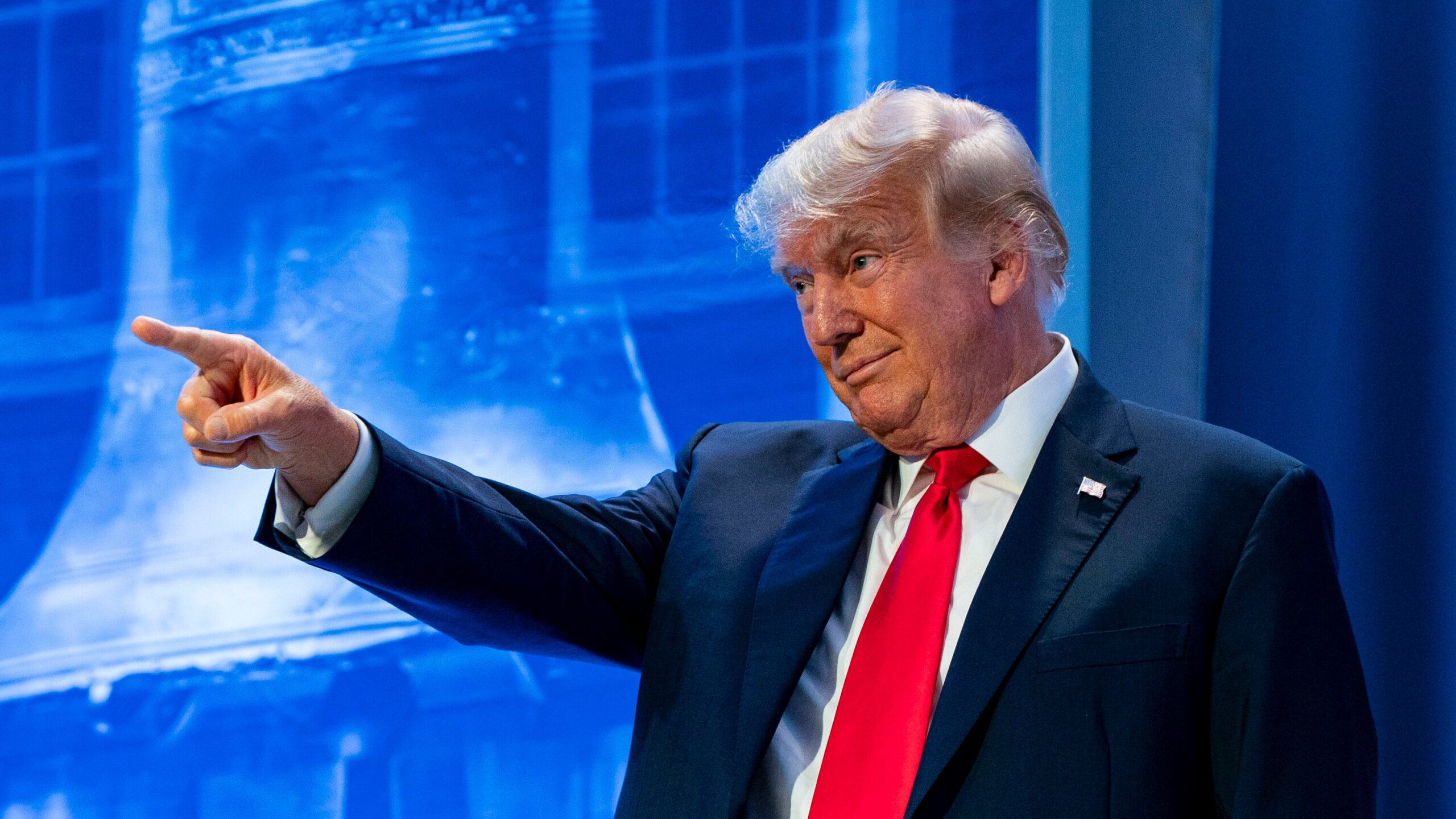
DAVOS: United States President Donald Trump is expected to spark renewed debate within the transatlantic alliance when he delivers a special address at the 2026 World Economic Forum (WEF) in Davos, Switzerland, with Greenland and NATO commitments at the centre of his remarks.
Global political leaders, business executives and financial elites are converging on Davos as President Trump outlines his America First foreign policy, which is expected to link continued U.S. military support for NATO to American strategic interests in the Arctic region.
Diplomatic sources say Trump will underscore the growing geopolitical importance of Greenland, pointing to its strategic location, expanding access to Arctic Sea routes and vast natural resources.
The island has gained increased global attention as climate change accelerates Arctic accessibility and intensifies competition among major powers.
The United States already maintains a key military presence in Greenland, where its installations play a critical role in missile defence, early warning systems and Arctic surveillance.
Trump is expected to argue that these strategic realities demand a reassessment of alliance responsibilities and burden-sharing within NATO.
Analysts warn that such remarks could heighten tensions among NATO members, many of whom have previously resisted any suggestion that Greenland’s status could be subject to external pressure.
Denmark, which retains sovereignty over Greenland, has repeatedly stated that the territory is not for sale and that its future rests with its people.
The anticipated speech is also seen as a signal of a broader shift in U.S. foreign policy under Trump, favouring a more transactional approach to alliances and international commitments.
Observers say linking security guarantees to strategic and economic interests represents a departure from traditional U.S. diplomacy.
Trump’s address is expected to dominate discussions at WEF 2026, with governments and markets closely watching for signs of how Washington intends to recalibrate its role within NATO and the wider global security architecture.
As the world’s attention turns to Davos, the speech is likely to have far-reaching implications for transatlantic relations, Arctic geopolitics and the future direction of U.S. foreign policy.


