


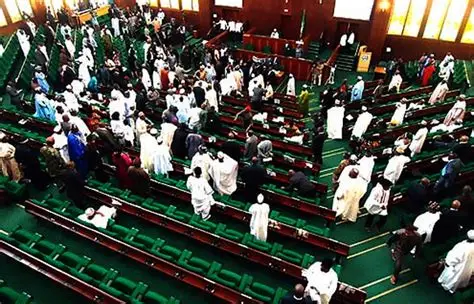
ABUJA: A heated confrontation unfolded yesterday in Nigeria’s House of Representatives as lawmakers clashed over a controversial motion seeking to rescind the real-time transmission clause in the Electoral Act, a provision widely seen as central to electoral transparency.
The session, which began routinely, quickly descended into tension when the motion was introduced for debate.
Proponents of the amendment argued that the real-time electronic transmission of election results has posed logistical and technical challenges during past elections.
They maintained that revisiting the clause could help strengthen the credibility of the electoral process by addressing operational gaps and legal ambiguities.
However, opposition lawmakers strongly resisted the proposal, insisting that removing or weakening the real-time transmission requirement could undermine public confidence in elections.
Many argued that the clause represents a major reform intended to reduce manipulation of results and improve transparency, warning that altering it could reverse progress made in Nigeria’s democratic process.
As debates intensified, tempers flared across party lines. Voices were raised, and the atmosphere in the chamber became increasingly charged.
The situation reached a boiling point when several opposition members staged a dramatic walkout in protest, signaling their rejection of the motion and what they described as an attempt to dilute electoral safeguards.
During the walkout, some lawmakers were heard chanting “APC Ole,” a slogan implying accusations of electoral dishonesty against the ruling All Progressives Congress. The chant added to the charged political atmosphere and briefly disrupted parliamentary proceedings.
Presiding officials eventually intervened, urging calm and calling on lawmakers to maintain decorum. After a period of tension, normal legislative business gradually resumed, though the divisions over the Electoral Act amendment remained evident.
The incident underscores the sensitivity surrounding electoral reforms in Nigeria, particularly as political actors position themselves ahead of future elections.
It also highlights the continuing debate over how best to balance technological innovation, transparency, and practical realities in the country’s electoral framework.


