


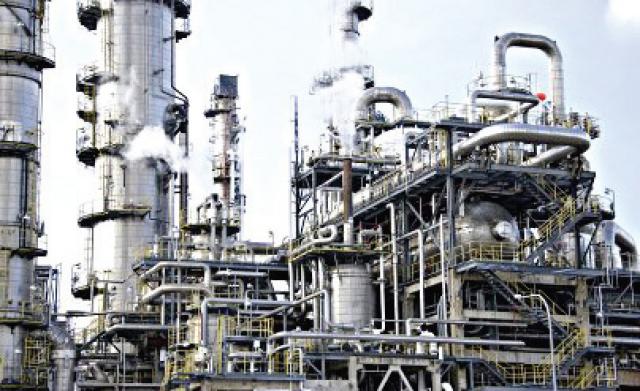
The Port Harcourt Refinery has reportedly been rehabilitated to about 90 per cent and could resume operations within a week if the Nigerian National Petroleum Company Limited (NNPC Limited) decides to restart the facility, the Petroleum and Natural Gas Senior Staff Association of Nigeria (PENGASSAN) has said.
PENGASSAN President, Festus Osifo, made the disclosure on Channels Television’s The Morning Brief on Tuesday monitored by rapidospace news, February 10, 2026, amid ongoing debates over the viability and profitability of Nigeria’s state-owned refineries.
According to Osifo, the refinery is fully ready to operate, with major components such as compressors, control rooms, and panels already replaced during the rehabilitation.
As of today, you can start the old Port Harcourt refinery, and it will function, he said. You can put it on today, and it will function. It has been rehabilitated up to about 90 per cent.
However, he noted that NNPC Limited is concerned about the financial implications of restarting the plant.
If they feed crude oil worth, say, five million dollars into the refinery, the likely returns from selling petroleum products may be about 4.5 million dollars. NNPCL, as a company, is there to make a profit, Osifo explained.
Despite the concerns over profitability, he insisted that the rehabilitation was not a waste, emphasizing that the facility’s asset value is now higher than before, making it a technically upgraded and more modern complex.
The Port Harcourt Refinery rehabilitation has spanned several years and multiple administrations. In March 2021, the Federal Executive Council approved a $1.5 billion budget to restore domestic refining capacity.
The facility had partially resumed operations in November 2024 at about 70 per cent of installed capacity but was later scaled down and fully shut in May 2025 due to operational challenges.
Since then, the refinery has remained dormant, fueling criticism over state-owned refineries’ limited returns despite heavy investments.
A fully operational Port Harcourt Refinery is critical to Nigeria’s economy and energy security:
-
It could reduce dependence on imported petroleum products, easing pressure on foreign exchange.
-
Domestic refining is expected to create jobs and stimulate industrial growth in the oil-producing region.
-
Increased supply may create competition alongside Dangote Refinery, potentially moderating fuel prices.
-
A restart could mitigate recurring fuel scarcity, which disrupts transport, logistics, and economic activities.
NNPC Limited’s Group Chief Executive Officer, Engr. Bayo Ojulari, recently stated that state-owned refineries were previously shut down due to monumental losses and erosion of national value.
The decision followed technical and commercial reviews after years of public scrutiny over limited returns from heavy investments.
While PENGASSAN argues the refinery is ready and upgraded, NNPC maintains that commercial realities must guide the timing of a restart.
If the refinery resumes within the next week, as PENGASSAN suggests, it will mark a significant step toward improving domestic refining capacity and reducing Nigeria’s reliance on imported fuel.
However, balancing technical readiness with profitability remains a key challenge for the government and NNPC Limited.