


ABUJA: The Federal Government’s latest move to publish a list of individuals and entities allegedly linked to terrorism financing has sparked widespread calls for immediate enforcement, with experts warning that failure to act decisively could weaken public confidence in Nigeria’s security efforts.
The list, released by the Nigeria Sanctions Committee, identifies 48 individuals and 12 organisations suspected of funding terrorist activities across the country. Among those named are Finland-based factional leader of the Indigenous People of Biafra, Simon Ekpa, and publisher Tukur Mamu.
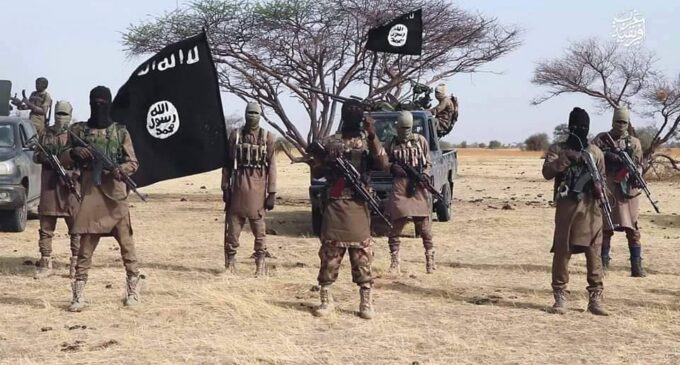
Also listed are major extremist groups such as Boko Haram, Islamic State West Africa Province, and the Indigenous People of Biafra, alongside several businesses and financial entities allegedly used as fronts.
The development comes despite government claims of progress in counterterrorism prosecutions. The Attorney-General of the Federation, Lateef Fagbemi, recently disclosed that 386 convictions had been secured from 508 terrorism-related cases, although attacks persist in states such as Borno, Zamfara, Kebbi, and Kwara.
Security analysts stress that publishing names is only the first step, urging authorities to move swiftly with arrests, asset freezes, and prosecutions.
A retired Assistant Inspector-General of Police, Salami Abduraheem, said the credibility of the exercise would depend on tangible outcomes. He warned that allowing suspects to remain free after being named could signal weak institutional capacity.
Similarly, former security officials cautioned that delays could enable suspects to evade arrest or conceal evidence. They emphasised the need for coordinated action involving intelligence agencies, financial regulators, and law enforcement bodies.
Despite the significance of the list, experts have raised concerns about Nigeria’s ability to successfully prosecute high-profile terror financiers.
Security analyst Musa Aliyu noted that the country’s legal and judicial systems are not fully equipped to handle complex terrorism financing cases, citing delays, weak evidence handling, and structural inefficiencies.
Legal practitioners also stressed that successful prosecution requires strong, admissible evidence such as financial records, digital trails, and credible witness testimony—elements that are often difficult to assemble and sustain in court.
For many Nigerians, the publication of the list represents a rare show of transparency. However, civil society groups insist that transparency must be matched with visible action.
Security governance experts warned that repeated announcements without follow-through risk turning such initiatives into symbolic gestures rather than effective counterterrorism measures.
Public reactions on social media echoed these concerns, with many calling on the government to go beyond naming suspects and ensure swift justice.
Nigeria’s counterterrorism framework, backed by the Terrorism (Prevention and Prohibition) Act, provides legal grounds for tackling terror financing. However, analysts argue that success will depend on political will, inter-agency coordination, and judicial efficiency.
As pressure mounts, the effectiveness of this latest move will ultimately be judged by whether those named are investigated, prosecuted, and held accountable marking a decisive step in disrupting terror networks across the country.


