

Several African and Caribbean nations — including Nigeria and Jamaica — could face new visa restrictions from the United Kingdom if the British political party Reform UK wins the next general election.
The proposed measure is aimed at countries that have formally demanded reparations from Britain over its role in the transatlantic slave trade.
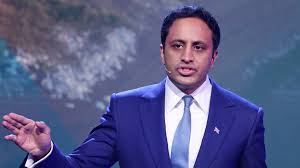
According to a report by the Daily Mail, the party’s spokesperson on home affairs, Zia Yusuf, defended the proposed policy, arguing that a growing number of nations are demanding compensation from the UK while benefiting from British aid and visa opportunities.
Yusuf stated that Britain had historically taken significant steps to abolish slavery and enforce anti-slavery laws across the world.
A growing number of countries are demanding reparations from Britain. They ignore the fact that Britain made huge sacrifices to be the first major power to outlaw slavery and enforce this prohibition,” he said.
He further noted that citizens from the affected countries had received millions of visas and billions of pounds in development assistance from the UK over the past two decades.
Astonishingly, these countries have received 3.8 million visas and £6.6 billion in foreign aid over the past 20 years. Enough is enough,” Yusuf added.
In addition to Nigeria and Jamaica, other nations mentioned in the proposal include Kenya, Haiti, Guyana, Barbados, and The Bahamas.
These countries have either individually or collectively supported calls for financial and moral reparations for the historical injustices of slavery and colonial exploitation.
If implemented, the visa restrictions could significantly affect travel, migration, and diplomatic relations between Britain and several countries across Africa and the Caribbean.
The proposed policy comes shortly after a resolution by the United Nations General Assembly urging former colonial powers to address demands for reparations linked to the transatlantic slave trade.
The resolution described the forced displacement and enslavement of millions of Africans as one of the “gravest crimes against humanity.”
While the resolution received overwhelming global support, the United Kingdom chose to abstain from the vote.
Reacting to the development, Reform UK leader Nigel Farage strongly criticised the United Nations, rejecting calls for Britain to apologise or pay reparations.
It is now the UN telling us we should go bankrupt to apologise for what people did centuries ago. Forget it. The UN has no legitimacy over this country whatsoever,” Farage said.
As part of its broader policy stance, Reform UK also pledged to drastically reduce the UK’s foreign aid budget.
The party proposed limiting foreign aid spending to £1 billion annually, representing a nearly 90 percent cut from current levels.
Supporters of the proposal argue that the funds should instead be redirected to domestic priorities in Britain.
A spokesperson for the British Foreign Office acknowledged the historical atrocities linked to the slave trade but reiterated that the UK government’s position on reparations has not changed.
Similarly, the leader of the opposition Keir Starmer said Britain should focus on future cooperation rather than revisiting past injustices through financial compensation.
I want to look at the future rather than spend a lot of time on the past,” Starmer said.
The transatlantic slave trade remains one of the most painful chapters in global history. For centuries, millions of Africans were forcibly taken from their homes, transported across the Atlantic under brutal conditions, and sold into slavery across Europe and the Americas.
The legacy of that system continues to shape economic and social inequalities in many parts of the world today.
In recent years, countries across Africa and the Caribbean have intensified calls for reparations and formal recognition of the historical injustices.
Ghana has played a prominent role in championing the issue at international forums, pushing for formal apologies, restitution of looted cultural artefacts, and broader reparatory justice.
Regional bodies such as the African Union and the Caribbean Community (CARICOM) have also backed the push for dialogue and compensation.
In March and April 2026, the United Nations General Assembly adopted a resolution declaring the trafficking of enslaved Africans and racialised chattel slavery among the gravest crimes against humanity.
The measure received 123 votes in favour, while three countries — the United States, Israel, and Argentina — voted against it, and 52 nations abstained.
The resolution also encouraged dialogue on reparations, apologies, and the restitution of cultural artefacts taken during the colonial era
While the debate over reparations continues to gain momentum globally, the proposal by Reform UK signals how the issue could increasingly influence immigration policies and diplomatic relations.
Analysts warn that linking visa access to reparations demands could further complicate relationships between the UK and several African and Caribbean nations.
For countries like Nigeria, which maintain strong economic, educational, and migration ties with Britain, any new restrictions could affect thousands of students, professionals, and travellers seeking entry into the United Kingdom.