


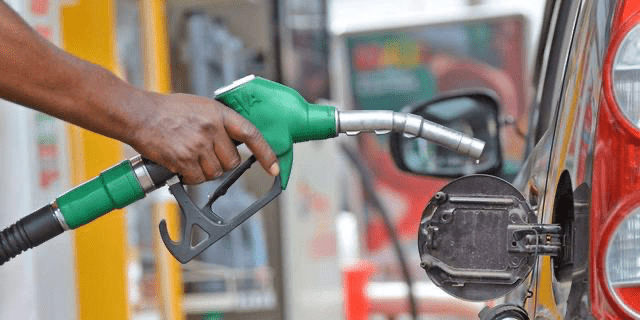
LAGOS: The latest increase in petrol pump prices across major Nigerian cities is expected to worsen inflation and deepen the cost-of-living crisis facing households and businesses.
In key commercial centres such as Lagos and Abuja, petrol prices have surged dramatically, with many filling stations now selling between ₦1,200 and ₦1,300 per litre following adjustments in depot prices by refiners and fuel marketers.
Market observers warn that the development could trigger a new wave of price increases across several sectors of the Nigerian economy, particularly transportation, food, and manufacturing.
Fuel prices have climbed sharply within a short period, reflecting changes in the supply chain and rising ex-depot prices. Data from fuel marketers indicate that petrol which previously sold between ₦825 and ₦830 per litre has jumped to ₦1,200–₦1,300 per litre in parts of Lagos, Ogun State, Abuja and Delta State.
The sharp increase followed an adjustment in the ex-depot price of petrol to about ₦1,175 per litre by local refiners and supply depots, forcing filling stations to review their retail pump prices.
Economic analysts warn that the sudden rise in fuel costs is likely to trigger inflationary pressure across multiple sectors, as petrol remains a critical input for transportation, electricity generation, and business operations in Nigeria.
Fuel is the primary operating expense for commercial transport operators including buses, taxis, trucks and logistics companies. When petrol prices increase, transport operators typically raise fares to offset the additional cost.
Following earlier fuel price hikes after the removal of petrol subsidy, transport fares reportedly increased by more than 100 percent in several Nigerian cities, putting significant pressure on commuters and businesses.
Higher transportation costs raise the cost of moving both people and goods nationwide. As businesses spend more on logistics, these costs are eventually transferred to consumers through higher prices.
Nigeria’s food supply chain relies heavily on road transportation to move agricultural produce from rural farms to urban markets.
When petrol prices rise:
-
Farmers pay more to transport their produce
-
Food distributors increase logistics charges
-
Market traders pass additional costs to consumers
As a result, staple foods such as rice, tomatoes, yam, pepper and vegetables often experience rapid price increases.
Because food makes up the largest portion of Nigeria’s inflation basket, any increase in transportation costs tends to quickly translate into higher national inflation figures.
A large number of Nigerian businesses rely on petrol-powered generators due to the country’s unstable electricity supply.
Higher petrol prices therefore mean:
-
Increased cost of running generators
-
Higher manufacturing and operating expenses
-
Businesses increasing the prices of goods and services
Industries particularly vulnerable to rising fuel costs include manufacturing, retail trade, agro-processing, hospitality, and small-scale enterprises.
For many small businesses already struggling with high operating costs, the fuel price hike could significantly reduce profitability.
The combined impact of higher transportation, food and production costs inevitably leads to a broader increase in the cost of living.
Economic studies have consistently shown that fuel prices are closely linked to inflation in Nigeria. Research suggests that a 1 percent increase in fuel prices can push inflation upward by about 0.23 percent, while also reducing real income levels.
Past fuel subsidy removals and petrol price increases have historically triggered spikes in inflation and worsened poverty levels across the country.
With petrol prices approaching ₦1,300 per litre in some locations, businesses and households are preparing for a fresh wave of economic pressure.
Rising energy costs could lead to:
-
Reduced profit margins for companies
-
Possible layoffs or downsizing in some sectors
-
Lower consumer purchasing power
For many households, higher fuel costs translate into more expensive transportation, increased food bills, and higher energy expenses for powering generators.
Economists warn that this combination could slow economic growth while deepening hardship for millions of Nigerians already grappling with high inflation.
The current petrol price surge has reignited concerns about the broader economic implications of rising energy costs in Nigeria.
As fuel prices continue to climb, analysts say the ripple effects could spread quickly across the economy, affecting everything from transport fares and food prices to business operations and household budgets.
Unless there is improved fuel supply, stronger economic stability, or relief in energy costs, the latest petrol price increase may further intensify inflation and deepen the financial strain on Nigerians in the months ahead.


