


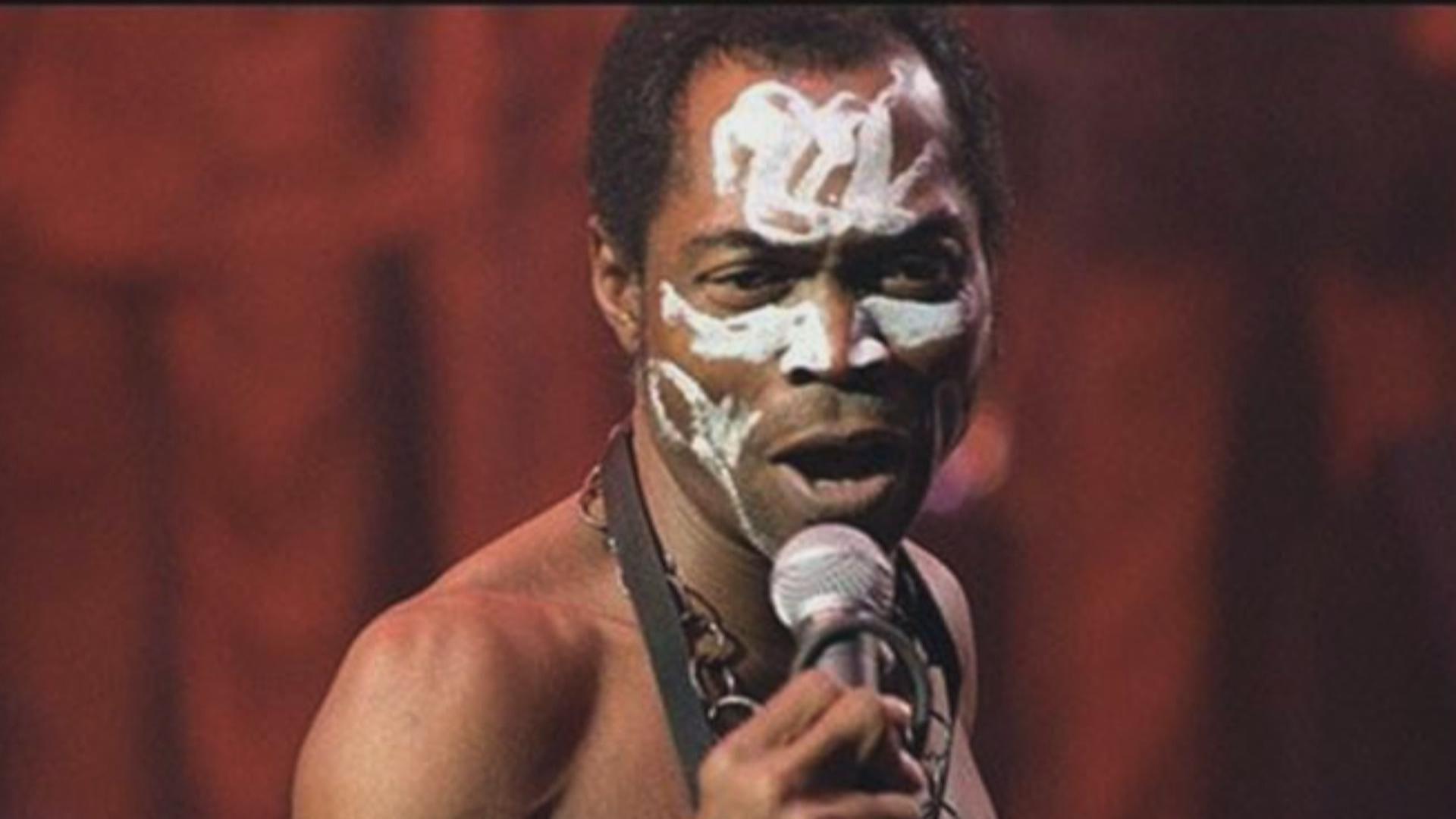
Late Afrobeat pioneer, Fela Anikulapo Kuti, has been posthumously honoured with a Lifetime Achievement Award by the Recording Academy, making him the first African to receive the prestigious Grammy recognition.
The British Broadcasting Corporation (BBC) reported on Friday that the award will be presented at the upcoming Grammy Awards ceremony, nearly three decades after the Nigerian music legend’s death.
According to the report, the honour recognizes Fela’s enduring influence on global music, culture and political expression.
Reacting to the development, Fela’s son and fellow Afrobeat musician, Seun Kuti, described the recognition as both emotional and symbolic.
Fela has lived in the hearts of the people for a very long time. Now the Grammys have acknowledged that, and it’s a double victory. It brings balance to the Fela story, he said.
A former manager and close associate of the late singer, Rikki Stein, said the recognition was long overdue, noting that Africa had historically been overlooked in global music honours.
I think Africa hasn’t rated very highly in their interests in the past, but that is changing,” Stein said.
The BBC noted that Fela’s recognition comes amid growing global interest in African music, driven largely by the international success of Afrobeats a genre deeply rooted in Fela’s pioneering work.
In 2024, the Grammy Awards introduced the Best African Performance category, while Nigerian singer Burna Boy earned a nomination this year in the Best Global Music Album category.
Fela’s Lifetime Achievement Award places him among a select group of global music icons, including Bing Crosby, Carlos Santana, Chaka Khan and Paul Simon.
Members of Fela’s family, friends and associates are expected to attend the ceremony to receive the award on his behalf.
The BBC described Fela as more than a musician, portraying him as a cultural thinker, political activist and the architect of Afrobeat.
Alongside drummer Tony Allen, Fela developed the genre by fusing West African rhythms with jazz, funk and highlife, marked by extended improvisation and politically charged lyrics.
Before his death in 1997, Fela released over 50 albums and became one of Africa’s most outspoken critics of military rule and political oppression in Nigeria.