


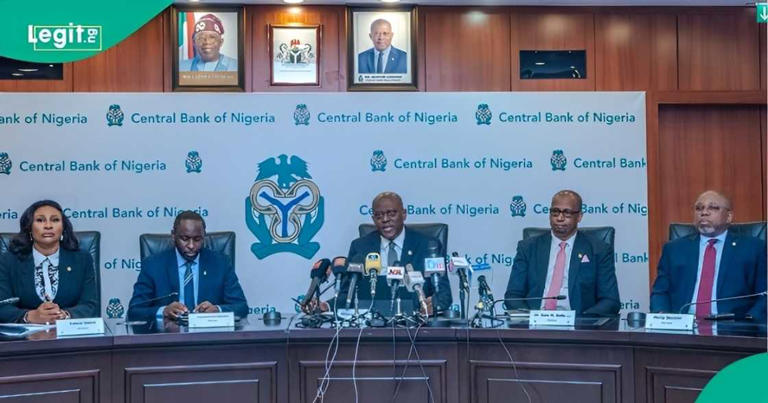
Nigeria’s banking sector is approaching a major regulatory milestone as 34 banks have reportedly met the new capital requirements set by the Central Bank of Nigeria(CBN) ahead of the March 31, 2026, deadline for the industry-wide recapitalization exercise.
The recapitalization programme, first announced in March 2024, requires banks operating in different license categories to significantly increase their capital base in order to strengthen the financial system and enhance their capacity to support economic growth.
Major Banks Surpass Capital Threshold
According to industry checks, leading banks with international licences, which collectively control more than 70 percent of the banking sector’s assets, have already surpassed the ₦500 billion minimum capital requirement.
These include major financial institutions such as:
- Guaranty Trust Holding Company
- FCMB Group
- Fidelity Bank
- Zenith Bank
- Access Holdings
- First HoldCo
- United Bank for Africa
These banks represent some of the largest financial institutions in Nigeria and have been actively raising fresh capital through rights issues, private placements, mergers, and strategic investments to meet the new regulatory threshold.
National Banks Also Meet Requirements
In the national banking category, at least ten lenders have reportedly met the ₦200 billion minimum capital requirement required to maintain nationwide banking operations.
The banks include:
- Stanbic IBTC Holdings
- Wema Bank
- Ecobank Nigeria
- Sterling Financial Holdings Company
- Premium Trust Bank
- Standard Chartered Bank Nigeria
- Globus Bank
- Optimus Bank
- Citibank Nigeria
- A consortium involving Providus Bank and Unity Bank, which is finalising a CBN-approved merger.
The Providus–Unity Bank merger is expected to create a stronger financial institution capable of meeting regulatory capital requirements while improving operational efficiency.
Islamic Banks Meet Non-Interest Requirements
In the non-interest banking segment, all four Islamic banks operating in Nigeria have met the ₦20 billion minimum capital requirement.
These include:
- Jaiz Bank
- Lotus Bank
- TAJ Bank
- The Alternative Bank
Industry sources also indicate that a new non-interest bank seeking a licence from the central bank has already satisfied the required capital base.
Regional Banks Also Scale Through
Among regional banking institutions, six lenders have reportedly met the ₦50 billion minimum capital requirement for regional operations.
These include:
- Parallex Bank
- Signature Bank
- SunTrust Bank Nigeria
- Alpha Morgan Bank
- Nova Bank
- Tatum Bank
Most merchant banks have also achieved the required ₦50 billion capital base, including:
- Greenwich Merchant Bank
- FSDH Merchant Bank
- Rand Merchant Bank Nigeria
- Quest Merchant Bank
- Coronation Merchant Bank
Status of Banks Under Regulatory Intervention
The central bank is also expected to clarify the position of three banks currently under regulatory intervention:
- Polaris Bank
- Keystone Bank
- Union Bank of Nigeria
According to the Governor of the Central Bank, Olayemi Cardoso, these institutions may follow a different recapitalisation timeline due to ongoing legal and structural issues.
Cardoso assured depositors that customer funds in the affected banks remain secure and that operations continue under strict regulatory supervision.
Read also:
–CBN Restricts Loan Defaulters from Accessing Fresh Credit, Banking Guarantees
Experts Say Recapitalisation Will Strengthen Economy
Economic experts have described the recapitalization exercise as one of the most significant reforms in Nigeria’s banking history.
The Chief Executive Officer of the Centre for the Promotion of Private Enterprise (CPPE), Muda Yusuf, noted that the initiative would strengthen banks’ capacity to finance large-scale projects and support economic growth.
According to him, the recapitalisation process is unlikely to cause major disruptions in the financial system or lead to significant job losses.
Strengthening Financial Stability
Analysts say the recapitalization drive is designed to achieve several objectives, including:
- Strengthening banks’ financial resilience
- Increasing lending capacity for major infrastructure projects
- Enhancing investor confidence in Nigeria’s banking sector
- Improving global competitiveness of Nigerian banks
If successfully implemented, the reform could enable Nigerian banks to finance larger industrial, infrastructure and energy projects needed to drive the country’s long-term economic development.
With the March 31 deadline approaching, the CBN is expected to release a final official report confirming which banks have fully complied with the recapitalization requirements.


