


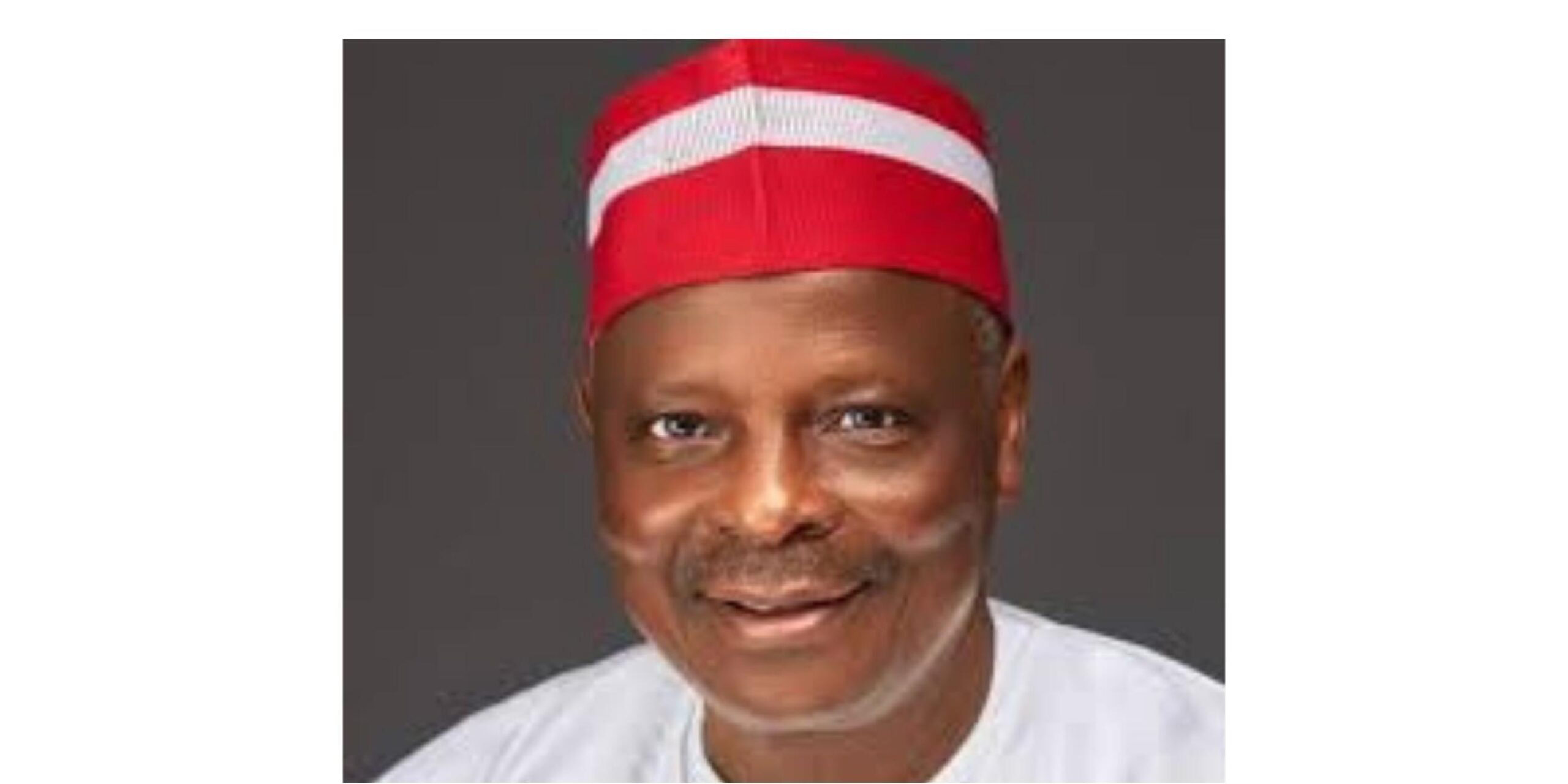
KANO: A former governor of Kano State and national leader of the New Nigeria Peoples Party (NNPP), Rabiu Musa Kwankwaso, is reportedly preparing to defect to the African Democratic Congress (ADC) as part of ongoing political realignments ahead of Nigeria’s 2027 general elections.
Sources familiar with the development said the planned defection could take place soon following weeks of consultations between Kwankwaso, leaders of the Kwankwasiyya political movement and top figures within the ADC.
The move is believed to be part of broader efforts by opposition politicians to reposition ahead of the next general election cycle and potentially build a strong coalition capable of challenging the ruling All Progressives Congress (APC).
Reports indicate that Kwankwaso has in recent weeks held a series of meetings with key opposition stakeholders across the country as part of efforts to forge a broader political alliance.
Among those reportedly involved in the consultations are the national secretary of the ADC, Rauf Aregbesola; the Labour Party’s presidential candidate in the 2023 election, Peter Obi; the governor of Oyo State, Seyi Makinde; and the senator representing Bayelsa West, Seriake Dickson.
Political insiders say the meetings were aimed at exploring the possibility of forming a formidable political bloc that could present a united opposition ahead of the 2027 presidential election.
The consultations reportedly focused on how opposition leaders can pool their political structures, grassroots support bases and regional influence to challenge the dominance of the APC at the federal level.
Last week, Kwankwaso was also said to have met with party leaders and political stakeholders in Kano State to brief them on the unfolding political developments and to consolidate internal support for his next move.
Kano remains one of the most politically influential states in northern Nigeria, and the Kwankwasiyya movement, built around Kwankwaso’s political influence, continues to command strong grassroots following across the state.
Analysts say any major political decision taken by Kwankwaso is likely to have far-reaching implications not only within Kano politics but also across the northern region.
The reported defection also comes amid a growing political rift between Kwankwaso and his former ally and political protégé, the governor of Kano State, Abba Kabir Yusuf.
Yusuf, who emerged as governor under the platform of the NNPP and is widely regarded as a beneficiary of the Kwankwasiyya movement, recently defected to the ruling APC alongside several lawmakers and political appointees.
The development came as a surprise to many observers, as Yusuf had previously been seen as one of Kwankwaso’s closest political allies.
Kwankwaso publicly opposed the defection, distancing himself from the decision and describing it as a betrayal of the political ideals of the movement he helped build.
The situation has further exposed cracks within the Kwankwasiyya political structure, raising questions about the future direction of the movement.
Political observers say Kwankwaso’s possible move to the ADC could represent a strategic attempt to reposition himself ahead of the 2027 presidential election.
The former governor was the presidential candidate of the NNPP during the 2023 general election and remains one of the most influential political figures in northern Nigeria.
Analysts believe that aligning with the ADC could provide a new platform for broader political collaboration with other opposition figures who are also exploring ways to strengthen their chances in the next election.
The ADC, although not one of Nigeria’s dominant parties, has increasingly attracted interest from political actors seeking alternative platforms for coalition-building.
In recent months, discussions about forming a grand opposition alliance have intensified among political leaders dissatisfied with the current balance of power in the country.
Many analysts believe that a fragmented opposition contributed to the outcome of the 2023 presidential election, and that a more united front may be necessary for opposition parties to mount a stronger challenge in 2027.
The ongoing consultations among figures such as Kwankwaso, Obi, Makinde and Dickson are therefore being closely watched as possible building blocks for a broader political coalition.
Kwankwaso’s political influence, particularly in northern Nigeria, makes any potential defection significant for the country’s political landscape.
His Kwankwasiyya movement commands loyalty among a large base of supporters, especially among youths and grassroots political actors in Kano and surrounding states.
If the defection eventually takes place, analysts say it could trigger further political realignments among politicians seeking stronger platforms ahead of the next election cycle.
Despite the growing speculation, neither Kwankwaso nor the leadership of the NNPP has issued an official statement confirming the reported move.
Similarly, officials of the ADC have yet to publicly confirm whether formal arrangements have been concluded regarding the alleged defection.
However, political observers believe that more developments could unfold in the coming weeks as consultations among opposition leaders continue.
With preparations for the 2027 general elections gradually gathering momentum, the coming months are expected to witness further negotiations, alliances and political repositioning across Nigeria’s major political parties.