


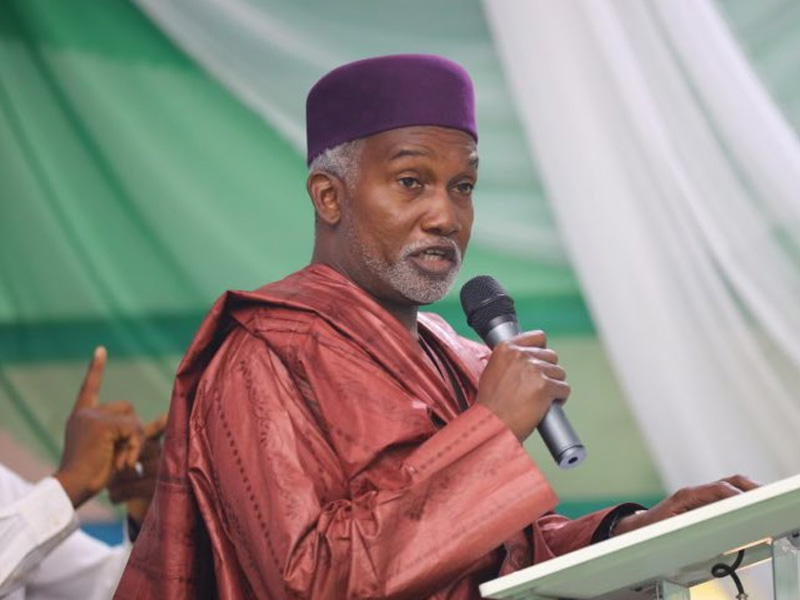
ABUJA: Nigeria’s Minister of Foreign Affairs, Yusuf Maitama Tuggar, has resigned from office in compliance with President Bola Ahmed Tinubu’s directive requiring political appointees intending to contest elective offices in the 2027 general elections to step aside.
The resignation was confirmed on Monday by the spokesperson of the Ministry of Foreign Affairs, Kimiebi Ebienfa, who stated that Tuggar stepped down in line with the federal government’s policy on political neutrality ahead of party primaries.
The directive was issued by President Tinubu on March 17, mandating all political appointees seeking elective positions to resign on or before March 31, 2026.
The order was communicated through a statement released by Dewan Goshit, Head of Information and Public Relations at the Office of the Secretary to the Government of the Federation.
According to the statement, the directive is anchored on Section 88(1) of the Electoral Act 2026, which requires public office holders to vacate their positions before participating in party primaries for elective offices.
The government also noted that the directive aligns with the timetable released by the Independent National Electoral Commission (INEC) for political parties to conduct their primaries ahead of the 2027 general elections.
Although Tuggar has not formally declared his political ambition, his resignation has intensified speculation that he may contest the 2027 governorship election in Bauchi State.
Political observers believe he may seek the ticket of the All Progressives Congress (APC) to challenge for the state’s top job.
The development has already begun to reshape political calculations within Bauchi State, where several aspirants are reportedly preparing to contest the governorship race.
Analysts say Tuggar’s entry into the contest could significantly alter the political dynamics in the state due to his national profile and diplomatic experience.
Born on March 12, 1967, Tuggar is regarded as a seasoned diplomat, policymaker and political figure with decades of experience in governance and international relations.
Before his appointment as Minister of Foreign Affairs, he served as Nigeria’s ambassador to Germany from 2017 to 2023.
During his tenure in Berlin, Tuggar was credited with strengthening bilateral relations between Nigeria and Germany, promoting trade cooperation and advancing Nigeria’s diplomatic interests in Europe.
He played a significant role in facilitating partnerships in areas such as renewable energy, economic development and industrial cooperation.
Tuggar also has experience in legislative politics. Between 2007 and 2011, he served as a member of the House of Representatives of Nigeria, representing the Gamawa Federal Constituency of Bauchi State.
During his time in the National Assembly, he was involved in legislative activities related to national development, governance reforms and foreign policy.
Appointed in August 2023 by President Tinubu, Tuggar led Nigeria’s diplomatic engagements during a period marked by shifting global alliances and increasing economic challenges.
Under his leadership, the Ministry of Foreign Affairs focused on strengthening Nigeria’s strategic partnerships and promoting economic diplomacy as a key pillar of the country’s foreign policy.
He also championed initiatives aimed at attracting foreign investment, deepening regional cooperation within Africa, and improving Nigeria’s global image.
Observers say his resignation marks a significant moment within the Tinubu administration, as more political appointees are expected to step down in the coming weeks to pursue elective offices.
Tuggar’s departure from the cabinet is widely seen as the beginning of broader political realignments ahead of the 2027 elections.
Political analysts believe that the president’s directive may trigger a wave of resignations among ministers, advisers and other political appointees who are interested in contesting various elective positions across the country.
As the countdown to the 2027 general elections begins, developments such as Tuggar’s resignation are expected to intensify political activities and alliances within major political parties across Nigeria.Tuggar Resigns as Foreign Affairs Minister Ahead of 2027 Elections
Nigeria’s Minister of Foreign Affairs, Yusuf Maitama Tuggar, has resigned from office in compliance with President Bola Ahmed Tinubu’s directive requiring political appointees intending to contest elective offices in the 2027 general elections to step aside.
The resignation was confirmed on Monday by the spokesperson of the Ministry of Foreign Affairs, Kimiebi Ebienfa, who stated that Tuggar stepped down in line with the federal government’s policy on political neutrality ahead of party primaries.
The directive was issued by President Tinubu on March 17, mandating all political appointees seeking elective positions to resign on or before March 31, 2026.
The order was communicated through a statement released by Dewan Goshit, Head of Information and Public Relations at the Office of the Secretary to the Government of the Federation.
According to the statement, the directive is anchored on Section 88(1) of the Electoral Act 2026, which requires public office holders to vacate their positions before participating in party primaries for elective offices.
The government also noted that the directive aligns with the timetable released by the Independent National Electoral Commission (INEC) for political parties to conduct their primaries ahead of the 2027 general elections.
Although Tuggar has not formally declared his political ambition, his resignation has intensified speculation that he may contest the 2027 governorship election in Bauchi State.
Political observers believe he may seek the ticket of the All Progressives Congress (APC) to challenge for the state’s top job.
The development has already begun to reshape political calculations within Bauchi State, where several aspirants are reportedly preparing to contest the governorship race.
Analysts say Tuggar’s entry into the contest could significantly alter the political dynamics in the state due to his national profile and diplomatic experience.
Career in Diplomacy and Politics
Born on March 12, 1967, Tuggar is regarded as a seasoned diplomat, policymaker and political figure with decades of experience in governance and international relations.
Before his appointment as Minister of Foreign Affairs, he served as Nigeria’s ambassador to Germany from 2017 to 2023.
During his tenure in Berlin, Tuggar was credited with strengthening bilateral relations between Nigeria and Germany, promoting trade cooperation and advancing Nigeria’s diplomatic interests in Europe.
He played a significant role in facilitating partnerships in areas such as renewable energy, economic development and industrial cooperation.
Tuggar also has experience in legislative politics. Between 2007 and 2011, he served as a member of the House of Representatives of Nigeria, representing the Gamawa Federal Constituency of Bauchi State.
During his time in the National Assembly, he was involved in legislative activities related to national development, governance reforms and foreign policy.
Appointed in August 2023 by President Tinubu, Tuggar led Nigeria’s diplomatic engagements during a period marked by shifting global alliances and increasing economic challenges.
Under his leadership, the Ministry of Foreign Affairs focused on strengthening Nigeria’s strategic partnerships and promoting economic diplomacy as a key pillar of the country’s foreign policy.
He also championed initiatives aimed at attracting foreign investment, deepening regional cooperation within Africa, and improving Nigeria’s global image.
Observers say his resignation marks a significant moment within the Tinubu administration, as more political appointees are expected to step down in the coming weeks to pursue elective offices.
Tuggar’s departure from the cabinet is widely seen as the beginning of broader political realignments ahead of the 2027 elections.
Political analysts believe that the president’s directive may trigger a wave of resignations among ministers, advisers and other political appointees who are interested in contesting various elective positions across the country.
As the countdown to the 2027 general elections begins, developments such as Tuggar’s resignation are expected to intensify political activities and alliances within major political parties across Nigeria.


