


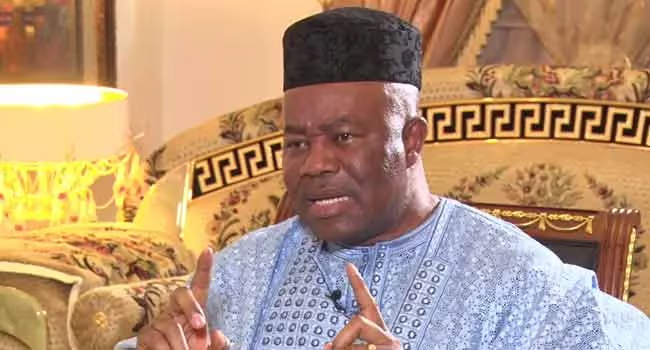
ABUJA: Civil society organisation YIAGA Africa has criticised the Nigerian Senate over its handling of proposed electoral reforms, insisting that lawmakers rejected compulsory electronic transmission of election results despite contrary claims by Senate President Godswill Akpabio.
The group, which has consistently advocated electoral transparency, said the Senate’s decision represents a setback to reforms many Nigerians expected ahead of future elections.
Following the 2023 general elections, the Supreme Court ruled that the Electoral Act did not make electronic transmission of results mandatory, prompting calls for legislative amendments to strengthen confidence in the electoral process.
However, the Senate recently opted to retain the existing provisions, a move YIAGA Africa says effectively blocks mandatory electronic transmission.
Speaking during an interview on Arise Television followed by Rapidospace news, YIAGA Africa Executive Director Samson Itodo expressed disappointment, accusing the Senate of reversing gains achieved under the 2022 Electoral Act.
He argued that the National Assembly had an opportunity to incorporate the court’s interpretation into law but failed to do so, despite recommendations from technical committees involved in the reform process.
Itodo also warned that certain new provisions could complicate preparations for the 2027 general elections, particularly by compressing timelines for electoral logistics.
The controversy follows public disagreements between electoral reform advocates and Senate leadership, with Akpabio maintaining that reports of a rejection are inaccurate.
Debate over mandatory electronic transmission of election results has intensified as political stakeholders’ position ahead of the 2027 elections, with reform advocates insisting the measure is critical to improving transparency and public trust in Nigeria’s electoral system.