


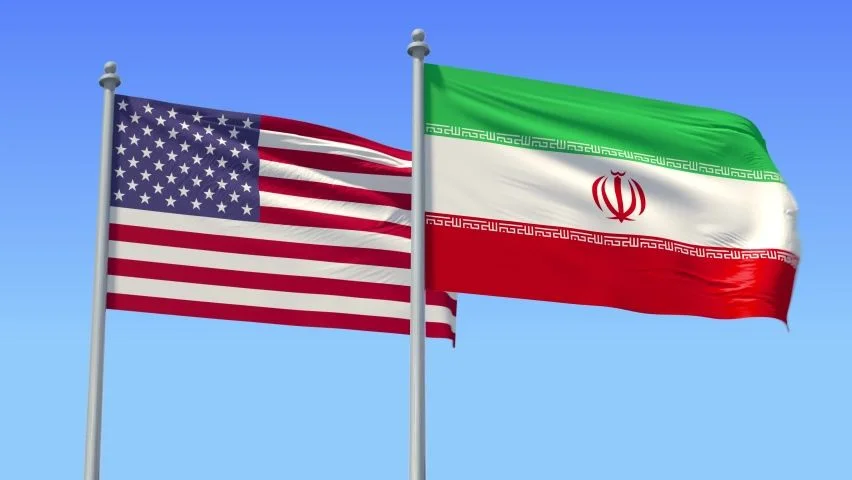
The United States and Iran have agreed to a two-week ceasefire in a last-minute diplomatic effort to prevent a wider regional war, with negotiations expected to begin soon.
The truce was announced Tuesday after weeks of escalating conflict involving the United States, Iran and Israel, which has already claimed thousands of lives across several countries.
According to officials, the temporary pause in fighting is intended to create space for diplomatic negotiations aimed at reaching a more permanent settlement.
US President Donald Trump described the ceasefire agreement as a “total and complete victory” for Washington.
Under the deal, the United States will halt military attacks on Iran for two weeks, while Tehran has agreed to reopen the Strait of Hormuz, a critical global oil shipping route through which roughly one-fifth of the world’s oil supply passes.
Trump said Iran agreed to the “complete, immediate and safe reopening” of the strategic waterway, adding that Washington would help manage heavy shipping traffic that built up during the crisis.
The US president said the agreement followed consultations with several international leaders, including officials from Pakistan, which played a key role in facilitating the diplomatic breakthrough.
Iranian authorities also confirmed the truce but framed the development differently.
Foreign Minister Abbas Araghchi said Iran would allow safe passage through the Strait of Hormuz for two weeks as part of the ceasefire arrangement.
Tehran also submitted a 10-point proposal outlining conditions for ending the war, which Iranian officials say should form the basis of negotiations.
Among the demands reportedly included in the proposal are:
- Continued Iranian control over the Strait of Hormuz
- Recognition of Iran’s uranium enrichment programme
- Lifting of US sanctions
- Withdrawal of US forces from the Middle East
- Release of frozen Iranian assets
- A binding resolution from the United Nations Security Council
Iran’s Supreme National Security Council described the truce as a “victory” over Washington, claiming the US had effectively accepted Tehran’s conditions for negotiations.
Israel said it backed Trump’s decision to temporarily halt military strikes against Iran.
However, Israeli officials clarified that the ceasefire does not apply to fighting in Lebanon, where Israel has been engaged in clashes with the Iran-backed group Hezbollah since March.
Lebanese authorities say Israeli strikes in the country have killed more than 1,500 people since the escalation began.
Despite the ceasefire announcement, tensions remain high across the region.
Authorities in Bahrain activated missile warning sirens hours after the truce was announced, amid reports that Iran fired missiles toward Gulf states and Israel.
The conflict, now entering its sixth week, has already claimed more than 5,000 lives across nearly a dozen countries, including more than 1,600 civilians in Iran, according to official and human rights estimates
Meanwhile, Mark Rutte, Secretary-General of the NATO, is expected to meet with Trump in Washington to discuss the evolving security situation in the Middle East.
The talks will also cover broader global tensions, including the ongoing war between Russia and Ukraine.
Pakistan’s Prime Minister Shehbaz Sharif said Islamabad will host formal negotiations between the US and Iran on Friday.
The talks aim to reach what Sharif described as a “conclusive agreement” to end the conflict permanently.
Iran has indicated it will allow two weeks for negotiations, the same timeframe as the ceasefire.
Global oil markets reacted quickly to the ceasefire announcement.
Oil prices fell after Iran confirmed that the Strait of Hormuz would reopen, easing fears of prolonged disruptions to global energy supplies.
The reopening of the critical shipping route could provide temporary relief for countries heavily dependent on imported oil.