


The United Arab Emirates has insisted that any diplomatic agreement aimed at resolving tensions between the United States and Iran must include clear guarantees that the strategic Strait of Hormuz remains open and secure for international navigation.
Senior Emirati diplomat Anwar Gargash said the narrow waterway, which serves as one of the world’s most important oil transit routes, cannot be used as a geopolitical bargaining tool in negotiations between Washington and Tehran.
Instead, he stressed that maintaining free passage through the strait must be treated as a global economic priority.
Speaking amid escalating tensions in the Gulf region, Gargash emphasized that the security of the Strait of Hormuz is not only a regional concern but one that affects global markets, energy supplies, and international trade.
“The uninterrupted use of the Strait of Hormuz must be guaranteed in any settlement,” he said, warning that any disruption to shipping activities in the corridor could have far-reaching consequences for the global economy.
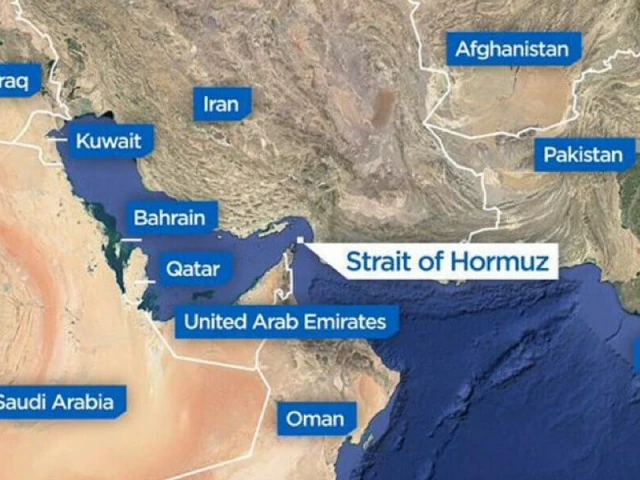
The strait, located between the Persian Gulf and the Gulf of Oman, handles approximately one-fifth of the world’s daily oil and liquefied natural gas shipments. Tankers transporting crude oil from major Gulf producers—including Saudi Arabia, the UAE, Kuwait, and Iraq—pass through the channel before reaching international markets.
Because of its strategic importance, any threat to navigation in the strait has historically triggered immediate concern among global energy markets and international security institutions.
Gargash explained that while the UAE supports diplomatic efforts to end the ongoing confrontation between the United States and Iran, it does not believe a temporary ceasefire that ignores deeper strategic issues would deliver lasting stability to the region.
According to him, unresolved concerns about Iran’s nuclear ambitions, ballistic missile development, and growing drone capabilities remain central to the security challenges facing the Middle East.
“If these issues are not addressed, the region risks facing an even more volatile security environment in the future,” he said.
Tensions in the region intensified after military strikes reportedly carried out by the United States and Israel targeted Iranian facilities following a collapse in nuclear negotiations. The strikes marked a dramatic escalation in an already fragile geopolitical landscape.
In response, Iran launched a series of missile and drone attacks aimed at Israeli territory, American military installations, and strategic infrastructure across the Gulf region.
Some of the targets reportedly included ports, oil facilities, and logistics hubs belonging to U.S. allies in the Gulf, raising fears that the conflict could disrupt energy supply chains and maritime trade routes.
Gargash revealed that the UAE has been among the Gulf nations that experienced some of the most intense attacks during the current wave of hostilities.
Despite the pressure, he said the country has managed to maintain stability and resilience, although the economic impact of the crisis cannot be ignored.
The UAE economy remains fundamentally strong, he noted. However, the recovery process will require time, resources, and sustained efforts once the immediate security threats subside.
Analysts say the Strait of Hormuz has long been viewed as a critical strategic chokepoint in global energy transportation.
Any prolonged disruption could trigger spikes in oil prices, disrupt international shipping, and worsen inflationary pressures in energy-importing countries.
For this reason, global powers—including the United States and European nations—have repeatedly emphasized the need to safeguard navigation through the waterway.
Gargash said the UAE stands ready to support international initiatives aimed at protecting maritime routes in the Gulf region.
He added that the country would cooperate with partners, particularly the United States, if additional measures are required to secure shipping lanes and maintain safe passage for commercial vessels.
However, he also warned that Iran’s current strategy appears designed to increase pressure on U.S. allies by targeting their energy infrastructure and shipping networks.
According to regional assessments, such actions could be intended to raise the cost of the conflict for Gulf nations, potentially forcing them to push Washington toward negotiations or a ceasefire.
The Emirati diplomat said these developments could ultimately reshape the geopolitical landscape of the Middle East.
He cautioned that Iran’s actions might lead to stronger security partnerships between Gulf countries and Washington, potentially expanding the presence of American military forces in the region.
Such developments, he added, could also deepen security cooperation between Arab states and Israel, particularly in the areas of missile defence, intelligence sharing, and maritime security.
“In the long term, this crisis may accelerate regional security realignments,” Gargash said.
Despite the rising tensions, the UAE has in recent years pursued diplomatic engagement with Iran in an effort to reduce friction and maintain regional stability.
However, Gargash admitted that building trust with Tehran remains a major challenge under the current circumstances.
“We do not seek confrontation,” he said. “But trust is difficult to establish when tensions continue to escalate and strategic concerns remain unresolved.”
He emphasized that the Gulf region needs a comprehensive framework for long-term stability one that addresses nuclear proliferation risks, missile threats, and maritime security challenges simultaneously.
According to him, simply pausing the conflict without tackling its root causes could allow tensions to resurface later in an even more dangerous form.
Global energy analysts say the ongoing crisis highlights how closely the stability of the Gulf region is linked to the functioning of international energy markets.
Because such a large share of the world’s oil shipments passes through the Strait of Hormuz, any sustained disruption would likely affect economies far beyond the Middle East.
For the UAE and other Gulf states, ensuring the security of the strait has therefore become a strategic priority not only for regional stability but also for protecting the global economy.
As diplomatic efforts continue to prevent further escalation between the United States and Iran, Gargash’s message underscores the position of Gulf nations that the Strait of Hormuz must remain open, secure, and free from political manipulation.
Without such guarantees, he warned, the consequences could extend far beyond the region impacting global energy supplies, international trade, and geopolitical stability.