


Air travel operations across the United Arab Emirates (UAE) are gradually returning to normal following widespread disruptions caused by ongoing regional airspace tensions, with major airlines announcing partial resumption of services while hundreds of scheduled flights remain cancelled.
General Civil Aviation Authority (GCAA) confirmed that flight operations are being restored in phases across UAE airports to assist thousands of stranded passengers affected by recent security developments in the region.
Authorities advised travellers not to proceed to airports unless they receive direct confirmation from their airlines, warning that unnecessary arrivals could cause congestion and operational delays.
Operations have partially resumed at Dubai Airport (DXB) and Dubai World Central where selected flights began operating under strict coordination with aviation authorities.
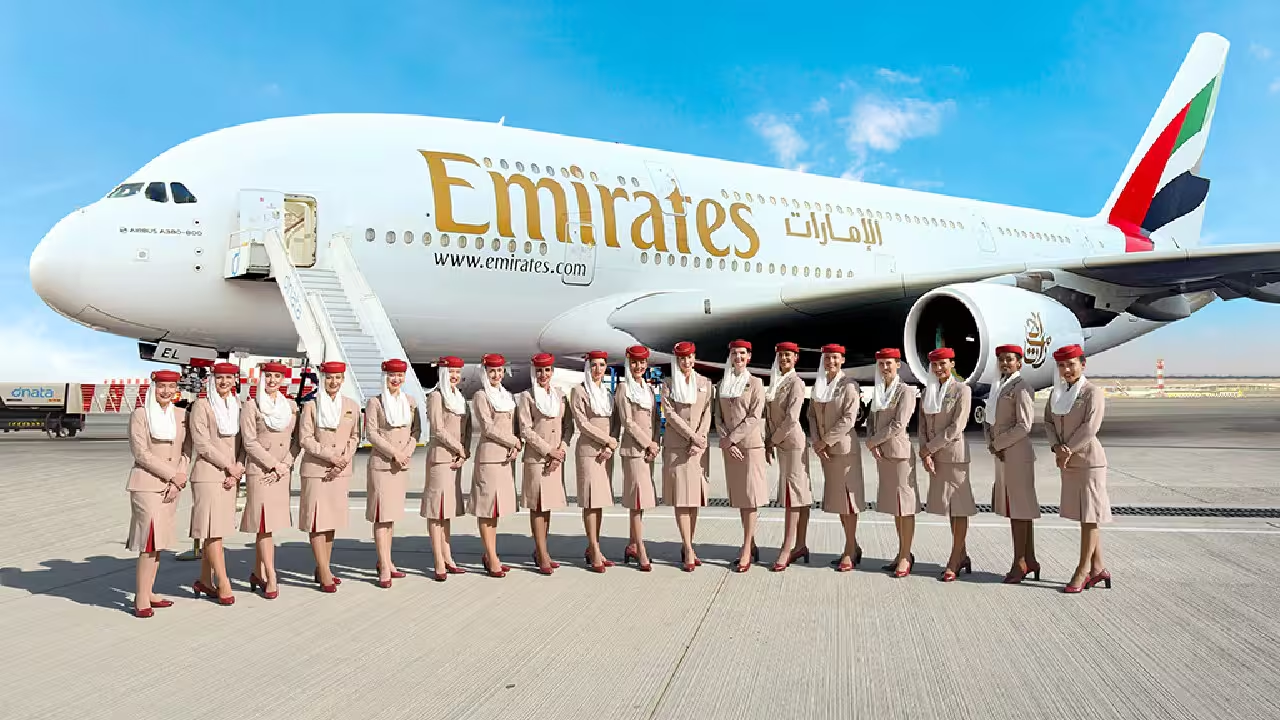
Flag carrier Emirates announced that all scheduled passenger flights to and from Dubai remain suspended until March 4, although limited cargo and repatriation flights are operating to prioritise passengers with confirmed bookings.
Passengers have been urged to regularly check flight status online and monitor official airline communications before travelling to the airport.
Low-cost carrier flydubai confirmed that limited flights resumed operations, mainly serving passengers with earlier travel reservations. The airline also introduced flexible travel arrangements, allowing affected customers to rebook flights free of charge within 20 days of their original travel dates.
Read also:
The airline apologised for disruptions and assured travellers that operations would expand progressively as regional airspace conditions improve.
Meanwhile, operations at Zayed International Airport have partially resumed; however, Etihad Airways extended the suspension of all scheduled commercial flights to and from Abu Dhabi until March 5.
The airline disclosed that only repositioning, cargo and emergency repatriation flights may operate subject to safety approvals. Passengers were encouraged to use online platforms for rebooking or refund requests due to high call volumes.
The Sharjah Airport Authority also confirmed partial reopening of Sharjah International Airport, while Air Arabia temporarily suspended UAE flights until March 4, with routes to Lebanon, Jordan, Syria and Iraq halted until March 5 due to safety concerns.
Affected passengers are expected to receive direct communication regarding alternative travel arrangements.
Unlike other airports facing restrictions, Fujairah International Airport confirmed that it remains fully operational and continues coordinating with aviation agencies to maintain smooth passenger movement.
Authorities disclosed that approximately 357 flights were cancelled earlier in the week, though limited inbound and outbound services resumed gradually. Special evacuation and relief flights operated by international carriers, including Indian airlines, have helped transport stranded passengers back home.
Aviation regulators emphasized that full restoration of normal flight schedules will depend strictly on evolving regional security conditions, stressing that passenger safety remains the highest priority.
Travelers are therefore advised to monitor airline websites and official aviation updates closely as UAE carriers continue phased recovery of operations.


