


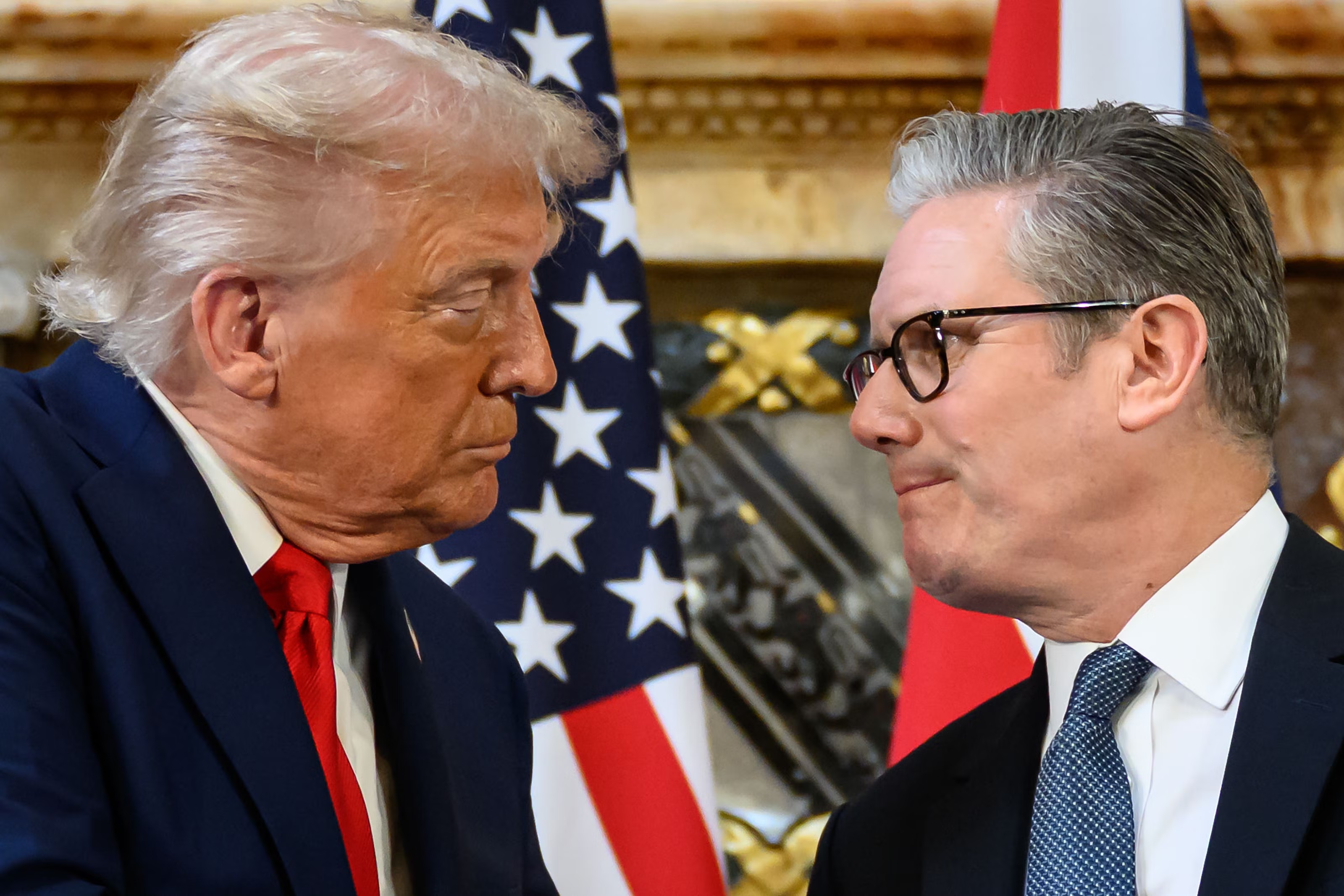
United States President Donald Trump has sharply criticized the United Kingdom over its refusal to support potential military action against Iran, telling Britain to “get your own oil as tensions escalate over disruptions in the Strait of Hormuz.
Trump made the remarks after British Prime Minister Keir Starmer reiterated that the UK would not participate in any ground invasion of Iran despite growing geopolitical tensions in the Middle East.
In a post on Truth Social, the U.S. president criticised countries struggling with fuel shortages caused by the disruption of oil shipments through the Strait of Hormuz.
All of those countries that can’t get jet fuel because of the Strait of Hormuz, like the United Kingdom… I have a suggestion for you, Trump wrote.
“Number one, buy from the U.S. we have plenty. Number two, build up some delayed courage, go to the Strait, and just take it.
Trump also warned that the United States might no longer automatically support allies that refuse to back its military actions.
You’ll have to start learning how to fight for yourself. The U.S.A. won’t be there to help you anymore, just like you weren’t there for us, he added.
The American leader further criticised Starmer personally, reportedly saying the British prime minister is no Winston Churchill, a reference to the wartime British leader known for his defiance during World War II.
Trump’s comments reflect growing frustration within Washington over what it sees as a lack of support from traditional allies during the escalating crisis with Iran.
Meanwhile, Britain is facing increasing pressure over its energy supplies amid fears of potential shortages.
Reports indicate that the country’s last major shipment of jet fuel from the Middle East is expected to arrive within days, raising concerns about aviation fuel supply if disruptions continue.
The Strait of Hormuz remains one of the world’s most critical oil transit routes, with a significant percentage of global crude oil shipments passing through the narrow waterway each day.
Any prolonged disruption to the route can trigger global fuel price increases and create supply challenges for countries heavily reliant on Middle Eastern energy.
In response to the growing crisis, Prime Minister Starmer is expected to convene an emergency meeting of the COBRA the UK government’s crisis response committee.
Officials are expected to assess the economic and energy security implications of the situation, including contingency plans for diesel, jet fuel and fertilizer supplies.
The meeting will also examine broader economic impacts such as rising fuel costs and the potential effect on the country’s cost-of-living pressures.
Despite the war of words between the two leaders, diplomatic relations between the United States and the United Kingdom remain intact.
Plans for a state visit by British officials to Washington are still expected to go ahead, suggesting that both sides are keen to maintain cooperation despite the public disagreement.
Trump also reportedly criticised other Western allies, including France, over restrictions placed on military logistics connected to the conflict.
At the same time, reports indicate that Washington is exploring several strategies to end the crisis without reopening the Strait of Hormuz, including increased military pressure on Iran combined with diplomatic negotiations.
Analysts warn that the ongoing tensions could have significant consequences for global energy markets if disruptions to oil shipments continue.


