


The directive, contained in a letter dated March 23, 2026, was issued as tensions continued to rise within the maritime sector over the proposed charges, which industry operators say could significantly increase the cost of doing business at Nigerian ports.
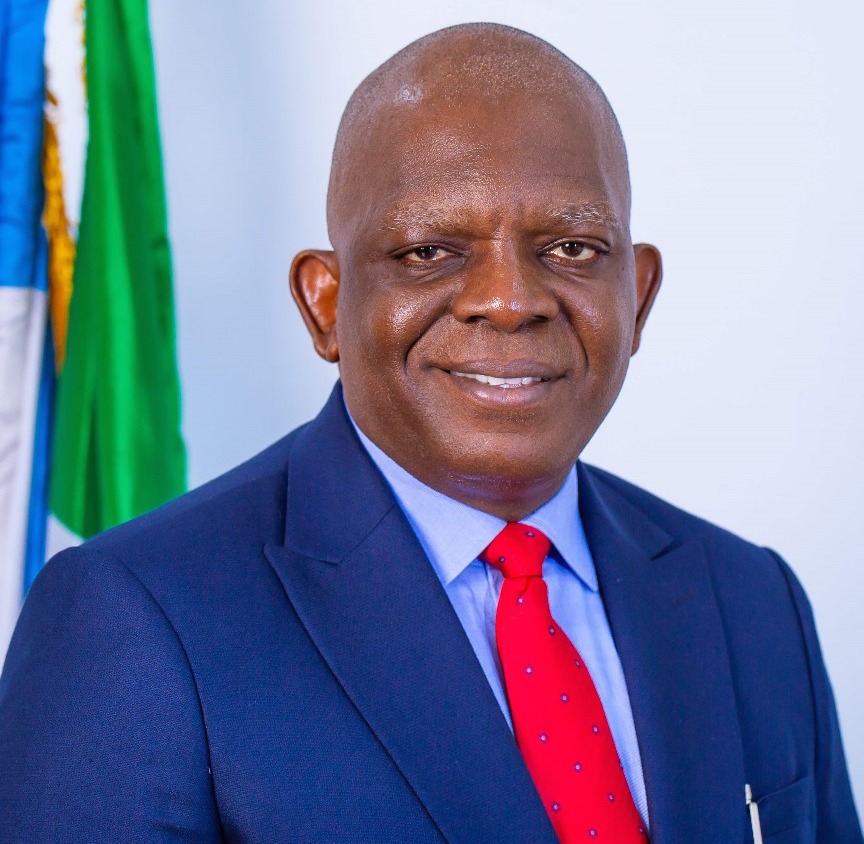
Signed by the Director of the Regulatory Services Department, Margaret Ogbonnah, on behalf of the Executive Secretary and Chief Executive Officer of the Council, Pius Akutah, the correspondence was addressed to the Managing Director of MSC.
The letter, titled Re: Suspension of Tariff Approval with reference number MSC/RSD/M4/044/VOL/124, instructed the shipping company to maintain the existing tariff structure until a stakeholders’ meeting is convened to review the proposed charges and their implications for port users.
According to the Council, MSC must strictly comply with the earlier directive suspending the tariff adjustment until consultations are concluded.
The Nigerian Shippers’ Council has formally requested your organization to abide by the current tariff suspension until NSC organizes a stakeholders’ meeting soon,” the letter stated.
Despite the directive, freight forwarders operating across seaports in Lagos continued their protest on Monday over the controversial charges.
Efforts to verify whether shipping companies had complied with the suspension order were reportedly hampered by the shutdown of shipping firms’ operations as a result of the ongoing picketing.
The protests are being led by industry groups including the Association of Nigerian Licensed Customs Agents (ANLCA) and the Association of Professional Freight Forwarders and Logistics of Nigeria (APFFLON), both of which have insisted that the demonstrations will continue until clear and verifiable information is provided regarding the status of the charges.
According to the National Publicity Secretary of ANLCA, Emmanuel C. Onyeme, the decision to sustain the protest was driven by the lack of transparency surrounding the tariff suspension.
He explained that the picketing and temporary withdrawal of services were not intended to cripple port operations but rather to compel regulators and shipping companies to provide clarity on whether the controversial fees had truly been suspended.
Freight forwarders also raised concerns over the manner in which the Shippers’ Council communicated the suspension.
They noted that a press statement announcing the directive was not signed by any official of the Council, creating doubts among port users about the authenticity and enforceability of the announcement.
According to the associations, this uncertainty has heightened anxiety among importers, clearing agents and logistics operators who remain unsure whether the new charges are still being applied by the affected shipping companies.
Industry players warn that the lack of clarity could undermine confidence in Nigeria’s maritime sector and disrupt supply chain activities if not addressed quickly.
To resolve the dispute, the freight forwarders have called on the Minister of Marine and Blue Economy, Adegboyega Oyetola, to urgently intervene and convene a stakeholders’ meeting involving shipping companies, freight forwarders and regulatory authorities.
The groups stressed that while they are not opposed to legitimate adjustments in shipping tariffs, such decisions must follow due process and involve proper consultation with stakeholders.
They warned that failure to address the issue promptly could lead to prolonged disruption in port operations and negatively impact the broader logistics value chain.
For now, the protesting freight forwarders say their demonstrations will remain peaceful but firm until the regulator provides clear direction and transparency regarding the controversial shipping charges