


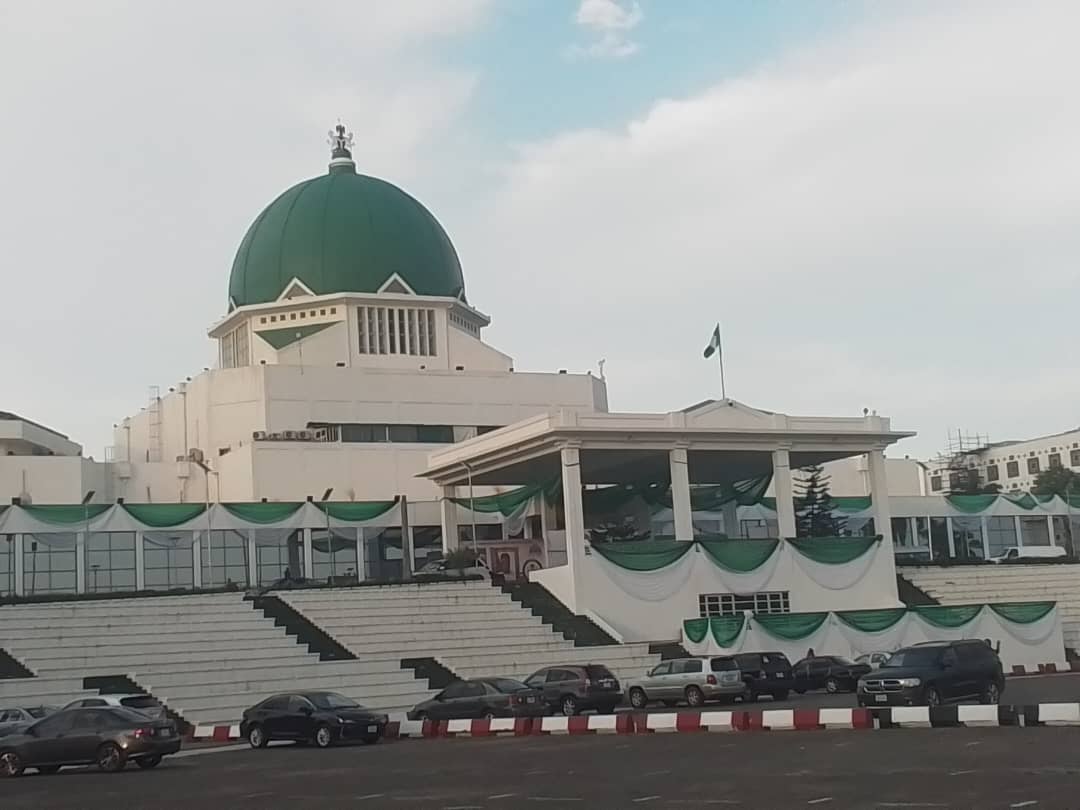
ABUJA: Nigeria’s National Assembly is set to reconvene an emergency plenary session this week, a move widely interpreted as preparation to reconsider the scheduled date for the 2027 presidential election.
Lawmakers cut short their recess and have been directed to resume sitting on Tuesday, February 17, 2026, where discussions may include shifting the presidential poll from February 20 to February 13, 2027.
According to an official notice issued by Clerk Kamoru Ogunlana, senators and House members were urged to adjust their schedules because very crucial decisions are expected during the session.
Although the notice did not explicitly mention election dates, insiders suggest the central issue is accommodating religious sensitivities linked to the Islamic fasting period.
The proposed election date currently overlaps with the holy month of Ramadan, which in 2027 is expected to run roughly from February 7 to March 8. Concerns raised by religious groups, political figures, and civil society organisations have prompted calls for adjustment to avoid discouraging voter participation.
Nigeria’s electoral body, the Independent National Electoral Commission, earlier acknowledged the concerns and indicated it might seek legislative backing if modifications become necessary.
The commission had initially fixed February 20, 2027, for presidential and National Assembly elections, with governorship polls planned for March 6.
Prominent political figures, including former vice-presidential candidate Atiku Abubakar, publicly urged reconsideration, arguing that conducting elections during Ramadan could affect turnout among Muslim voters and election workers.
The emergency plenary follows recent debates over amendments to Nigeria’s Electoral Act. Lawmakers recently approved electronic transmission of election results to the results viewing portal but stopped short of making real-time uploads mandatory.
Manual collation will remain a fallback in areas with poor connectivity.
Senate President Godswill Akpabio encouraged dissenting lawmakers to formally challenge the amendment if they disagree, reflecting continuing divisions over electoral transparency reforms.
A joint National Assembly committee is also working to harmonise differences between Senate and House versions of the Electoral Amendment Bill before forwarding it to President Bola Tinubu for assent.
Senate Leader Opeyemi Bamidele defended the removal of mandatory real-time electronic transmission from the amendment, citing infrastructural limitations such as unreliable power supply and internet penetration.
He referenced data from the Nigerian Communications Commission, noting broadband coverage and internet speed challenges that could hinder seamless electronic reporting of election results nationwide.
Political analysts say adjusting the election date could help ensure broader participation, especially among Muslim voters, while also testing Nigeria’s electoral readiness under tighter timelines.
The development also follows earlier proposals to move elections to late 2026 so that post-election court cases conclude before inauguration day in May 2027.
Additionally, lawmakers have floated other reforms such as shorter timelines for election petitions, early voting for security personnel and election officials, and expanded use of electronic voting technology.
As plenary resumes, observers expect intense debate over electoral logistics, legal frameworks, and political fairness.
The outcome could significantly shape preparations for the 2027 elections and Nigeria’s broader democratic process.
While a final decision has not yet been made, the possibility of shifting the presidential election date to February 13, 2027, reflects efforts to balance legal requirements, religious sensitivities, and voter inclusiveness.