


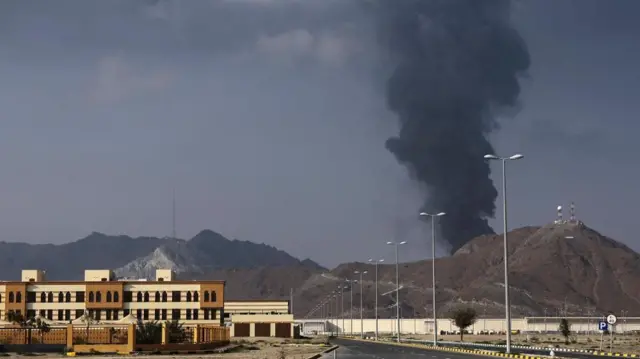
WASHINGTON DC: Geopolitical tensions in the Middle East intensified on Tuesday after the United States issued a security alert warning of a possible imminent attack in Dhahran, one of the most strategic oil-producing centres in Saudi Arabia.
Dhahran, home to key petroleum infrastructure and energy installations linked to the global oil industry, has been placed on heightened alert amid the expanding conflict involving Israel, Iran, and allied forces.
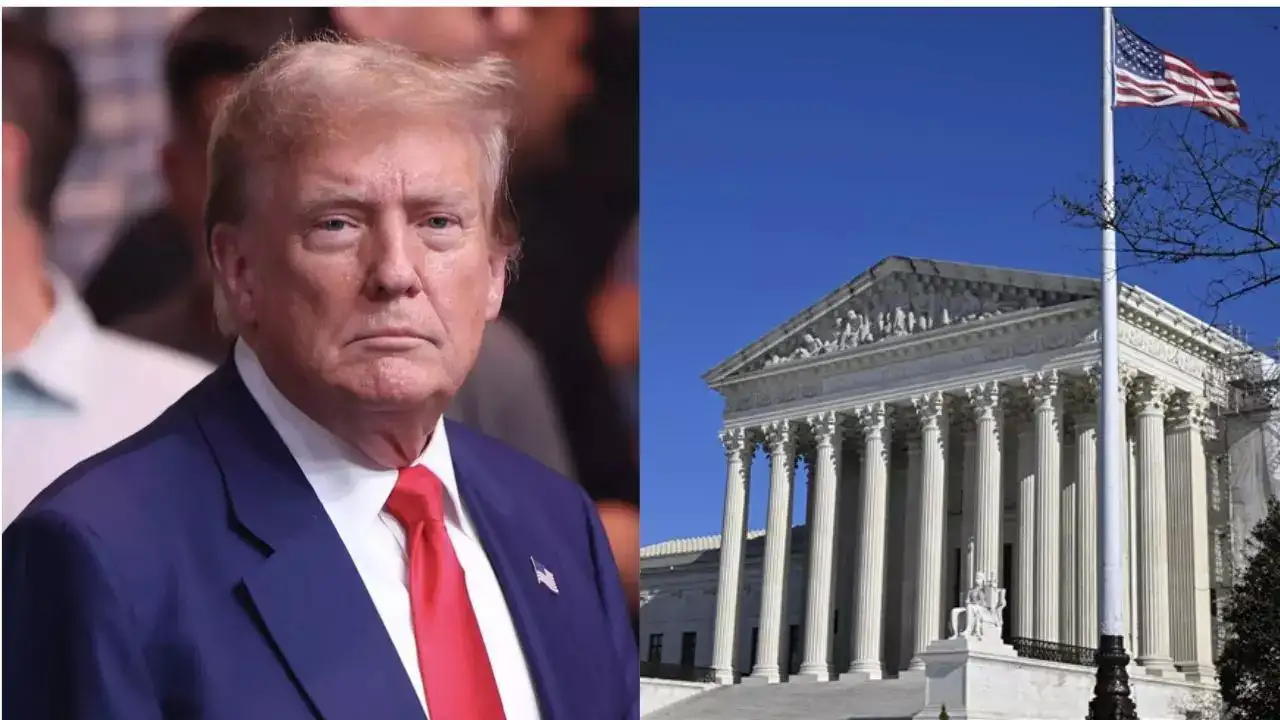
Amid rising hostilities, US President Donald Trump adopted a hardline stance, declaring that negotiations with Iran were now too late.
According to Trump, Iran’s military capabilities had been severely weakened following coordinated US-Israeli strikes.
“Their air defence, air force, navy, and leadership are gone, he said, signalling Washington’s belief that Tehran’s command structure has suffered devastating losses.
The Israeli military confirmed launching fresh strikes on what it described as Iran’s leadership compound in Tehran, including facilities linked to the presidential office. Officials indicated that additional attacks on strategic locations across the Iranian capital were carried out later on Tuesday as part of ongoing military operations.
The escalation follows joint US-Israeli strikes launched on Saturday, which reportedly resulted in the death of Iran’s Supreme Leader, Ali Khamenei, marking one of the most consequential developments in modern Middle Eastern geopolitics.
Iran’s Iranian Red Crescent Society disclosed that the death toll from the attacks has risen to 787 people since hostilities began over the weekend. Emergency teams continue rescue and medical operations across affected cities amid widespread infrastructure damage.
In response, Iran has launched retaliatory strikes targeting locations across the region, further raising fears of a broader regional war involving neighbouring states.
The conflict has already triggered turbulence across international financial markets. Global oil and gas prices surged sharply due to fears of supply disruptions from the Gulf region, while major stock markets recorded declines as investors moved toward safer assets.
Energy analysts warn that any sustained instability around Gulf oil infrastructure could significantly affect global fuel prices and inflation trends worldwide.
The United Kingdom Government announced plans for its first charter evacuation flight to repatriate citizens stranded in the region. The flight is expected to depart from Oman in the coming days.
London has also deployed what officials described as a significant level of defensive capability to Cyprus, following reported attacks near a British military base. Authorities are additionally considering the deployment of a naval warship to reinforce regional security.
Security experts warn that the confrontation between the US, Israel and Iran risks expanding into a wider Middle East conflict, particularly as retaliatory attacks continue and strategic oil locations remain under threat.
With tensions escalating rapidly, international observers are closely monitoring developments as world leaders call for restraint while military operations intensify across multiple fronts.
Global audiences continue to follow live updates as analysts and security experts address growing concerns surrounding the unfolding US-Israel-Iran conflict and its implications for international stability, energy markets and global security.