


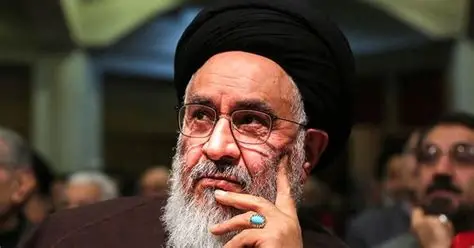
Fresh wave of airstrikes targeting Tehran as tensions in the Middle East continue to escalate following the reported killing of Iran’s Supreme Leader, Ayatollah Ali Khamenei, in joint United States–Israeli military operations.
Iranian officials described the killing of the long-time leader as crossing a very dangerous red line, warning that retaliation against both American and Israeli interests would intensify in the coming days.
The Israeli military confirmed it carried out new strikes in the heart of Tehran, targeting key military installations, including Iran’s defense headquarters.
In response, Iran launched additional missile and drone attacks across the region, striking Israeli territory and targets linked to US military presence in the Middle East.
Israeli police reported that at least five people were killed after an Iranian missile struck a residential building in the city of Beit Shemesh near Jerusalem, while about 18 others sustained injuries.
Iranian authorities said casualties continue to rise following earlier strikes, including an attack on a girls’ school near a military base in the southern city of Minab.
Local prosecutors confirmed that at least 148 people were killed, with dozens more injured.
US Central Command acknowledged reports of civilian casualties, stating that the incidents were under review while emphasizing efforts to minimize harm to non-combatants.
The conflict has rapidly spread beyond Iran and Israel, with explosions reported in several regional cities including Dubai, Abu Dhabi, Doha and Manama.
Iran’s Revolutionary Guard Corps said it had launched another round of missile and drone operations targeting countries it accused of supporting US military activities.
Smoke was also reported near port facilities in the United Arab Emirates, while Bahrain recorded explosions close to major commercial districts.
Growing security concerns have triggered widespread aviation disruption across the Middle East.
Several countries including Iran, Israel, Iraq, Kuwait, Bahrain and Qatar, have closed their airspace, forcing major airlines such as Lufthansa, Air France, British Airways and Qatar Airways to suspend regional operations.
Thousands of flights have been delayed or cancelled globally as airlines reroute aircraft away from conflict zones.
Shipping activity through the Strait of Hormuz a critical global oil transit route remains under heightened threat amid ongoing military activity.
German shipping giant Hapag-Lloyd has suspended vessel movements through the waterway, while reports emerged of attacks on commercial oil tankers near Oman’s coast.
The escalation has sparked sharply divided reactions worldwide. While some demonstrations in the United States celebrated the strikes, protests condemning military action against Iran also erupted in several cities.
Iranian leaders have vowed revenge, describing retaliation as a legitimate right, while US President Donald Trump warned Tehran against further escalation, saying continued attacks would be met with overwhelming force.
Russian President Vladimir Putin condemned the killing of Iran’s supreme leader, describing it as a cynical murder.
The rapidly evolving confrontation has raised fears of a wider regional war capable of disrupting global energy markets and international security.


