


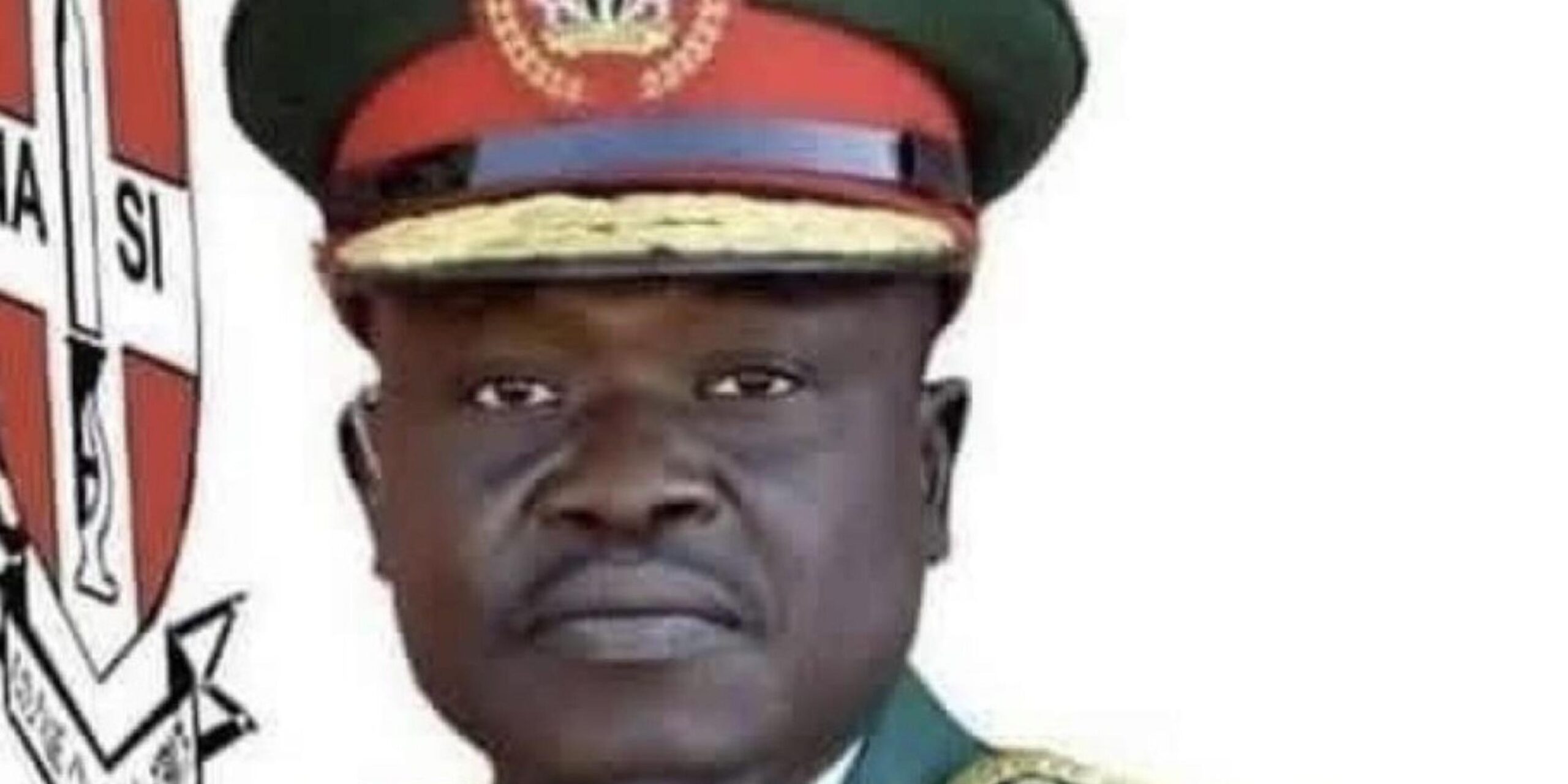
A retired Nigerian Army Major General, Danjuma Hamisu Ali-Keffi, has called for a comprehensive investigation into the controversial release of 48 terrorism financing suspects, including an individual identified by foreign intelligence agencies as a Boko Haram leader, previously detained under military custody.
Ali-Keffi, who was appointed in October 2020 by the late President Muhammadu Buhari to lead the covert Operation Service Wide (OSW), a task force responsible for tracking terrorism financiers and collaborators warned that the release of the suspects raises serious questions about accountability and corruption at the highest levels of government.
The OSW task force included personnel from the military, security, and intelligence agencies, alongside legal officers from the Office of the Attorney General of the Federation.
According to Ali-Keffi, OSW collaborated with 33 countries, including the United States, United Kingdom, and European Union, under the oversight of the Nigerian Financial Intelligence Unit (NFIU).
In an exclusive interview, Ali-Keffi alleged that the National Assembly (NASS) has not addressed the matter, citing an alleged compromise among lawmakers.
He revealed that the 48 individuals arrested were confirmed as terrorism financiers, with at least one identified as a principal Boko Haram leader by Western and Middle Eastern intelligence agencies.
A significant amount of the funds meant for counterterrorism were allegedly shared among prominent military and government officials, including NASS members and others,” Ali-Keffi said.
Putting these suspects on trial would have exposed the misappropriation of counterterrorism funds, which is why no action has been taken.
Ali-Keffi further disclosed that OSW, through the NFIU, traced vast sums of money intended for counterterrorism operations being diverted through terrorism financiers operating Bureau De Change (BDC) fronts.
These funds were laundered on behalf of top military and government officials,” he added, emphasizing that some of the suspects also facilitated funding for Boko Haram operations.
The retired general raised several critical questions:
-
Who ordered the release of the 48 terrorism financing suspects, including the alleged Boko Haram leader, from military custody?
-
Why were these suspects released without being put on trial?
-
Why did the government request the U.S. to unfreeze $600 million linked to Hima Abubakar, a suspect whose account had been traced to an overseas offshore account?
Ali-Keffi noted that Hima Abubakar had previously been declared wanted by both the Nigerian and Nigerien governments for terrorism financing and had been implicated by the Committee on Defence and Arms Procurement (CADEP) during the early years of the Buhari administration for misconduct related to arms procurement.
He also questioned the release of Alhaji Saidu Ahmed, alias Saidu Gold, identified as a top Boko Haram leader.
It is alarming that Saidu Gold was allowed to walk free despite overwhelming evidence, including UAE intelligence reports linking him to the recruitment of six individuals jailed in Dubai, Ali-Keffi said.
The retired general also highlighted concerns about a forensic audit of counterterrorism funds initiated by the late Chief of Army Staff, Gen. Ibrahim Attahiru, before his death in a suspicious air crash.
He died three days before he was to act on the report, Ali-Keffi said, warning that the suppression of this audit points to a broader pattern of concealing the diversion of public funds.
Ali-Keffi called for an urgent and thorough investigation into both the handling of terrorism financing suspects and the diversion of funds meant for counterterrorism efforts.
If the NFIU under OSW makes its investigations public, it would trigger a tsunami in Nigeria, implicating several high-ranking military officials and government figures, including NASS members, he said.
The retired general’s statements come amid growing public concern over corruption and mismanagement of counterterrorism resources, which many fear could undermine Nigeria’s fight against Boko Haram and other insurgent groups