


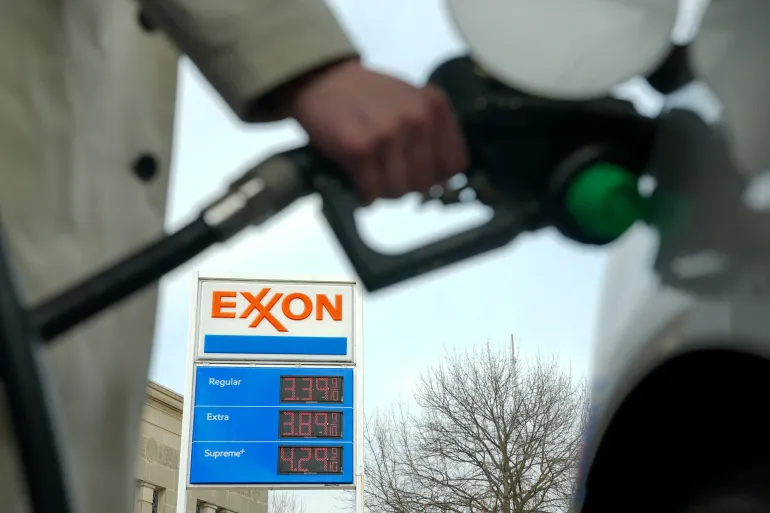
Oil markets are bracing for further volatility as the ongoing conflict involving the United States, Israel and Iran raises fears that crude prices could surge to $150 or even $200 per barrel.
Shortly after the first strikes on Iran on February 28, analysts warned that oil prices might exceed $100 a barrel. Less than three weeks into the war, that scenario has already materialised. On March 9, Brent crude, the global benchmark, climbed to nearly $120 per barrel and has remained above $100 since March 13.
The situation escalated further after an Israeli strike on Iran’s South Pars gasfield on March 18 triggered retaliatory Iranian attacks on energy facilities in Qatar, Saudi Arabia and the United Arab Emirates, pushing prices above $108 on Wednesday.
Market analysts say the biggest factor influencing oil prices is the closure of the Strait of Hormuz, a vital shipping route that carries roughly one-fifth of global oil supply during peacetime.
After Iran declared the strait closed and warned ships against attempting to pass, tanker traffic largely halted. Only a few vessels mostly from India, Pakistan, Turkey and China have been allowed to transit in recent days.
Energy analyst Vandana Hari of Vanda Insights noted that some Middle Eastern crude benchmarks, such as Oman and Dubai blends, have already crossed $150 per barrel, meaning $200 oil is no longer unthinkable.
How much further crude climbs from here almost entirely hinges on how long the Strait of Hormuz remains closed, she said.
Countries have coordinated the release of about 400 million barrels from strategic reserves through the International Energy Agency in an effort to stabilize supply.
However, analysts warn the measure may not fully offset disruptions. Research from Singapore-based OCBC Group estimates the market could still face a daily shortfall of around 10 million barrels
Economists warn that oil at $150 or higher could significantly strain the global economy. According to the International Monetary Fund, every 10 percent increase in oil prices sustained for a year could push global inflation up by 0.4 percent and reduce economic growth by 0.15 percent.
The current all-time nominal peak for Brent crude is $147.50 per barrel, recorded during the 2008 global financial crisis. Adjusted for today’s dollars, that level would be about $224.
Energy expert Adi Imsirovic of the University of Oxford said oil reaching $200 per barrel would act as a major handbrake on the world economy, affecting inflation, employment and supply chains for products such as fertilizers and plastics.
Some market observers believe the worst-case scenario may not materialize. Sasha Foss, an analyst at Marex in London, described $200 oil as pretty outlandish, citing rising production from countries including the United States, Canada, Argentina, Brazil and Guyana.
Additional supply routes such as Saudi Arabia’s East-West pipeline could also help reduce pressure if shipping disruptions persist.
Ultimately, analysts say the trajectory of oil prices will depend on how long the Strait of Hormuz remains blocked and how global supply and demand adjust to the crisis


