


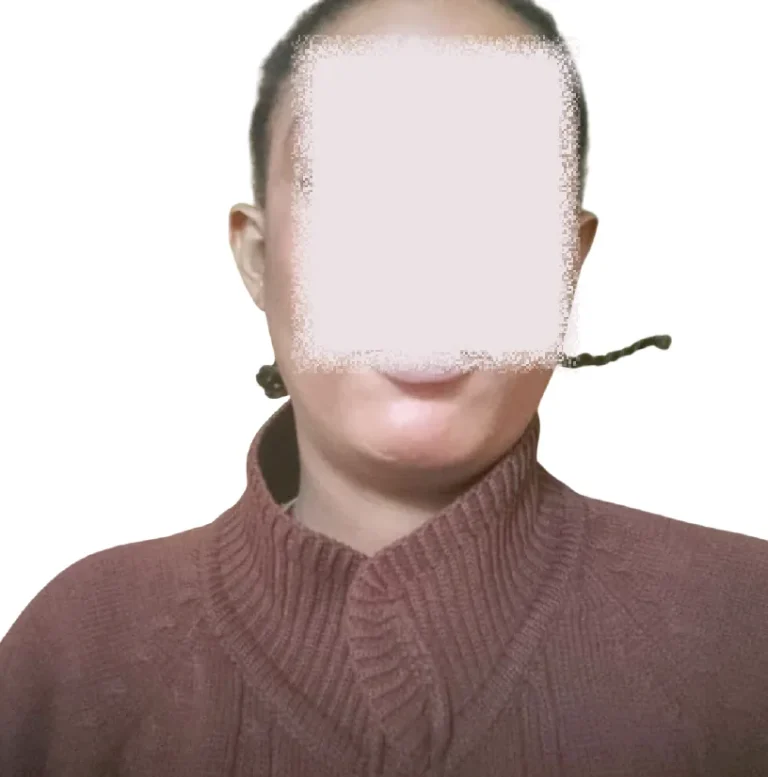
LAGOS: A 31-year-old Guidance and Counselling graduate of Adekunle Ajasin University, Alade Omowumi, has appealed to Nigerians for financial assistance to undergo another surgery following years of living with a congenital reproductive condition that has affected her health and quality of life.
Omowumi, whose experience was published in an interview by PUNCH on Saturday, October 24, 2026, said she had endured years of abdominal pain, multiple surgical procedures and complications while seeking treatment for a condition that prevented normal menstrual flow.
According to her account, she began experiencing severe abdominal pain at the age of 15, with the pain recurring monthly for about four to five days. Despite the regular discomfort, she did not seek medical attention until approximately three years later.
When she eventually visited a hospital, doctors reportedly discovered that she had been menstruating internally but that the menstrual blood could not flow out normally.
At 18, she underwent medical examinations ahead of surgery, during which doctors discovered that her vaginal canal was absent, a finding that changed the original treatment plan.
Omowumi said doctors subsequently scheduled another procedure to create a vaginal opening, which was performed on October 2, 2014.
Although the operation created an opening, she said it later became narrow, making penetration difficult or impossible.
She attributed the narrowing to difficulties using a dilator after the surgery because of severe pain, although this explanation was her own understanding of what happened.
She also disclosed that she began experiencing urinary incontinence following the procedure.
According to her account, urine started leaking after a catheter was removed, leaving her unable to control urination as she had previously done.
The complications affected her recovery, while the increasing hospital bills placed additional financial pressure on her family.
She said her mother eventually requested her discharge because the expenses were becoming difficult to sustain. She left the hospital with a urine bag and was expected to return for follow-up care.
The graduate disclosed that the surgery did not resolve her menstrual difficulties.
She said menstrual blood occasionally came out for a short period following the procedure, but the flow eventually stopped.
Over time, the accumulated blood caused abdominal swelling, requiring hospital visits where doctors drained the blood.
She said the condition had persisted for approximately 14 to 15 years, leaving her with prolonged physical discomfort and uncertainty about her future.
Omowumi later sought treatment at another hospital, where doctors reportedly explained that she required bladder repair and further reconstructive surgery to create a functional vaginal opening.
The proposed treatment is intended to address her urinary complications and enable menstrual blood to flow normally.
Omowumi revealed that she underwent another operation in September 2026 to address her urinary problem and improve her ability to urinate properly.
She said she was discharged from the hospital approximately one or two weeks before the interview.
However, doctors reportedly advised that she needed adequate time to heal before undergoing the next stage of treatment.
The remaining procedure is expected to address her reproductive condition, but she said the hospital had not yet provided a definite cost estimate because the surgery would take place later and the medical plan remained dependent on her recovery.
She explained that the financial requirement could change before the procedure is performed.
The graduate added that surgery was the treatment option discussed with her by her doctors, based on her account.
Beyond the physical challenges, Omowumi said the condition had affected her emotional well-being, relationships and confidence.
She disclosed that an attempt to have sexual intercourse was extremely painful, forcing her to stop.
For years, she kept her condition private, with only a few people aware of her struggles.
She said her mother, whose support had been crucial since the death of her father, remained her strongest source of encouragement throughout her medical journey.
Omowumi explained that she eventually decided to speak publicly after becoming frustrated and feeling that she could no longer continue suffering in silence.
However, she said the public attention also brought painful comments, leaving her reluctant to go out because of the reactions she encountered.
Despite the difficulties, she expressed gratitude for completing her university education and remained hopeful about her future.
The graduate said a foundation had previously supported her medical treatment.
Following her most recent surgery, the woman in charge of the foundation reportedly sent her the remaining ₦500,000 for post-surgery care.
Omowumi said the money was what she currently had, adding that she had not received many additional contributions recently.
She is now appealing for financial assistance to enable her to complete the remaining treatment, while awaiting further medical assessments to establish the cost of the next surgery.
Despite years of uncertainty, Omowumi said her greatest hope is to recover, get married and have children of her own.
“I want to live a normal life, get married and have children of my own, she appealed, urging Nigerians to support her financially and remember her in their prayers.
Her account highlights the challenges some people living with congenital reproductive conditions face, including delayed diagnosis, surgical complications, prolonged treatment and financial hardship.
Her desire for assistance has also drawn attention to the importance of compassionate support for people dealing with complex medical conditions without sufficient resources.
While Omowumi remains hopeful about the next stage of her treatment, her recovery and reproductive prospects will depend on medical assessment, the success of treatment and other individual health factors.


