


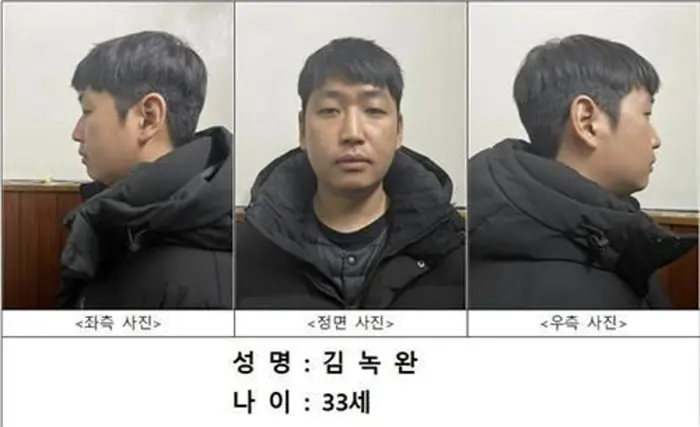
South Korea’s campaign against digital sex crimes reached a decisive moment as a Seoul court sentenced Kim Nok-wan, the mastermind of one of the nation’s largest online exploitation rings, to life imprisonment.
The 33-year-old ran a vast network on Telegram known as the Vigilantes, which authorities say trapped, coerced, and abused hundreds of victims over nearly five years.
Investigators revealed that from 2020 to early 2025, Kim oversaw a pyramid-style operation that targeted both adults and minors.
Under the self-appointed title of pastor, he manipulated victims into producing explicit content, threatened to expose their personal information, and forced some into recruiting new victims.
Police confirmed that at least 261 individuals were exploited the highest number recorded in a single online sex-crime case in South Korea.
Kim was convicted on multiple charges, including running a criminal organization, generating and distributing sexually exploitative material, coercion, and sexually assaulting minors.
The court stressed that his actions were systematic, cruel, and driven by manipulation rather than momentary lapses.
Judges ruled that society needed long-term protection from him, citing the absence of remorse and the severe psychological harm inflicted on victims.
Authorities uncovered more than 2,000 pieces of exploitative content linked to Kim’s network and identified his involvement in over 450 Telegram chat rooms, 60 of which he personally operated.
Victims were reportedly forced to send daily confession messages, complete degrading assignments, and comply with his demands under threat of exposure or physical harm.
The ruling marks the first time Telegram has supplied crime-related data to Korean authorities, following a formal cooperation agreement established in late 2024.
Investigators credited this collaboration for enabling them to dismantle one of the most elusive cybercrime groups in the country’s history.
The case has ignited national discussions on digital safety, deepfake exploitation, and the urgent need for stronger cyber-protection laws.
Victim-support groups praised the life sentence as a milestone, stressing that while justice has been served in this case, broader reforms are still needed to protect vulnerable people from online predators.
As South Korea continues its fight against technology-enabled sexual abuse, the Kim Nok-wan verdict stands as a stark reminder that digital anonymity does not shield criminals from accountability and that the state is prepared to respond with the full weight of the law.